University research
Research projects made during my studies at the Academy of Fine Arts and Design in Bratislava, between photography, new media and 3D. Each one starts from an object, an archive or an experience of place, and asks what a photograph can actually prove.
Liminal Space
2026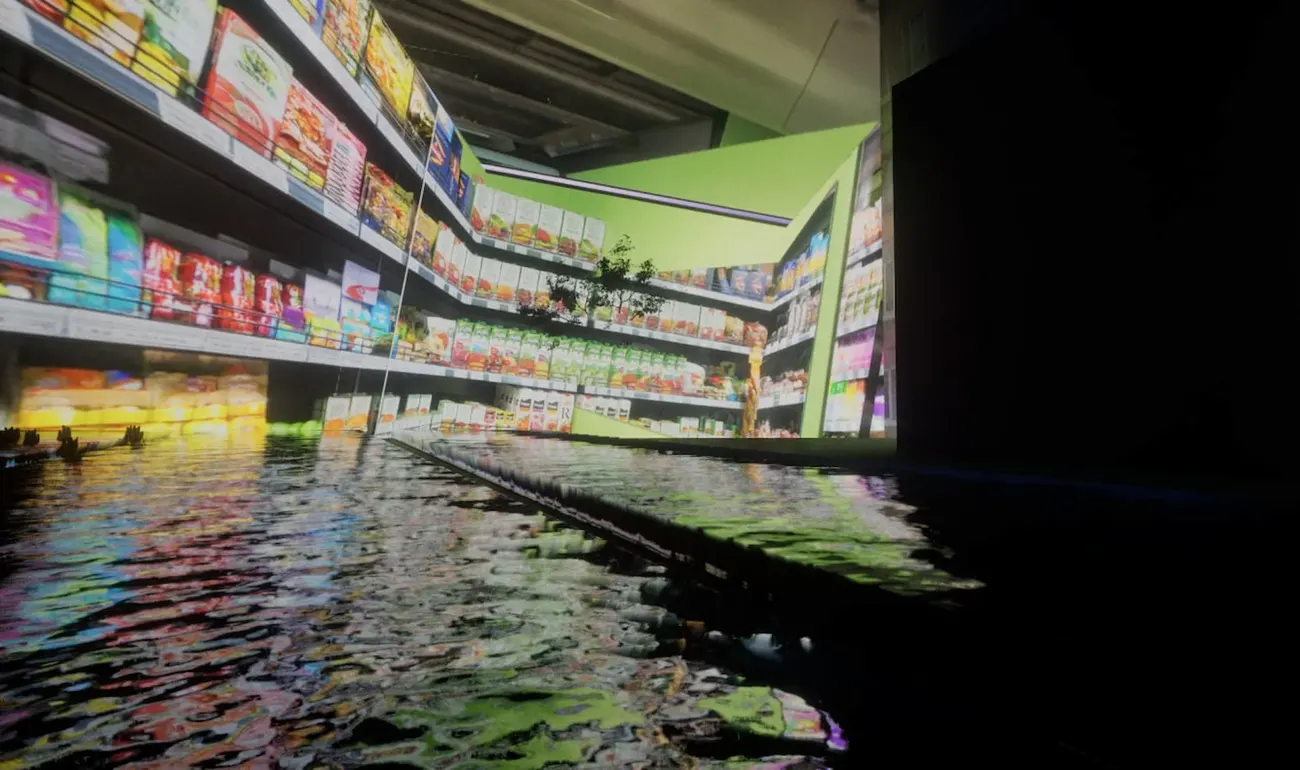
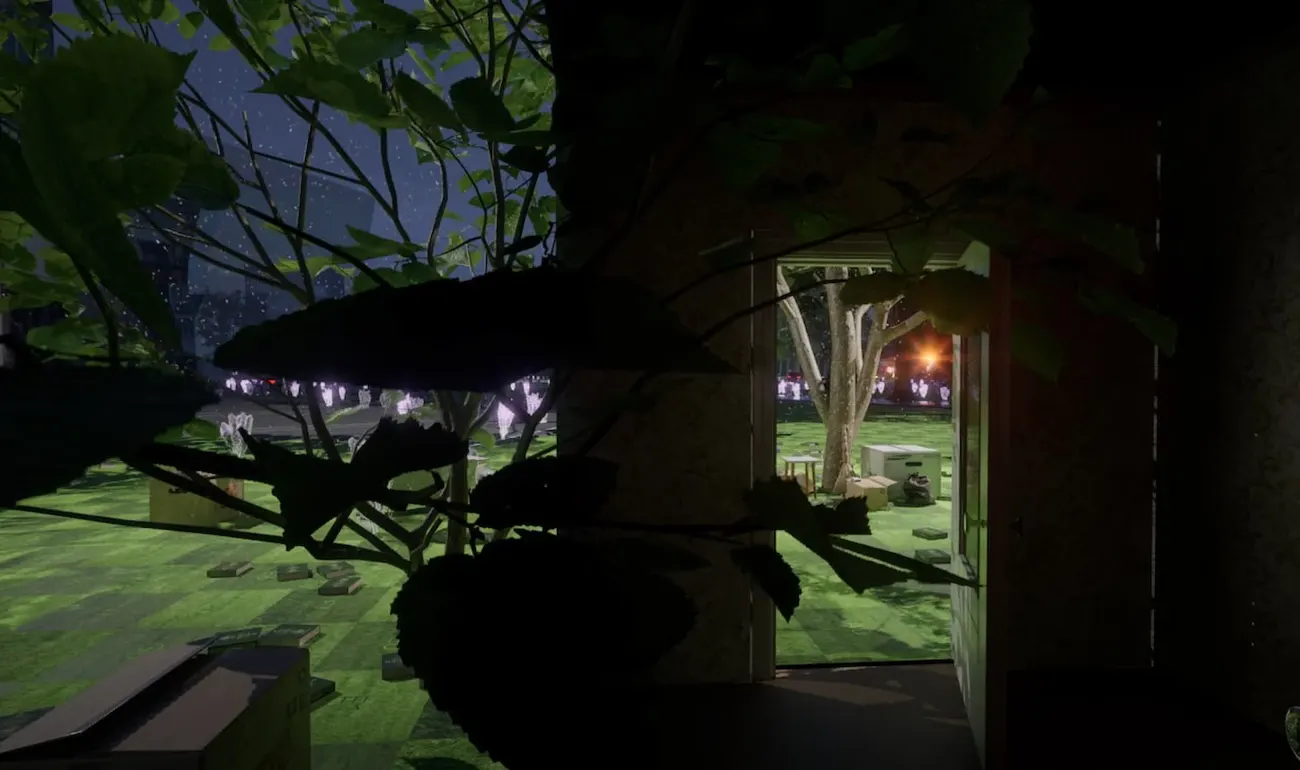
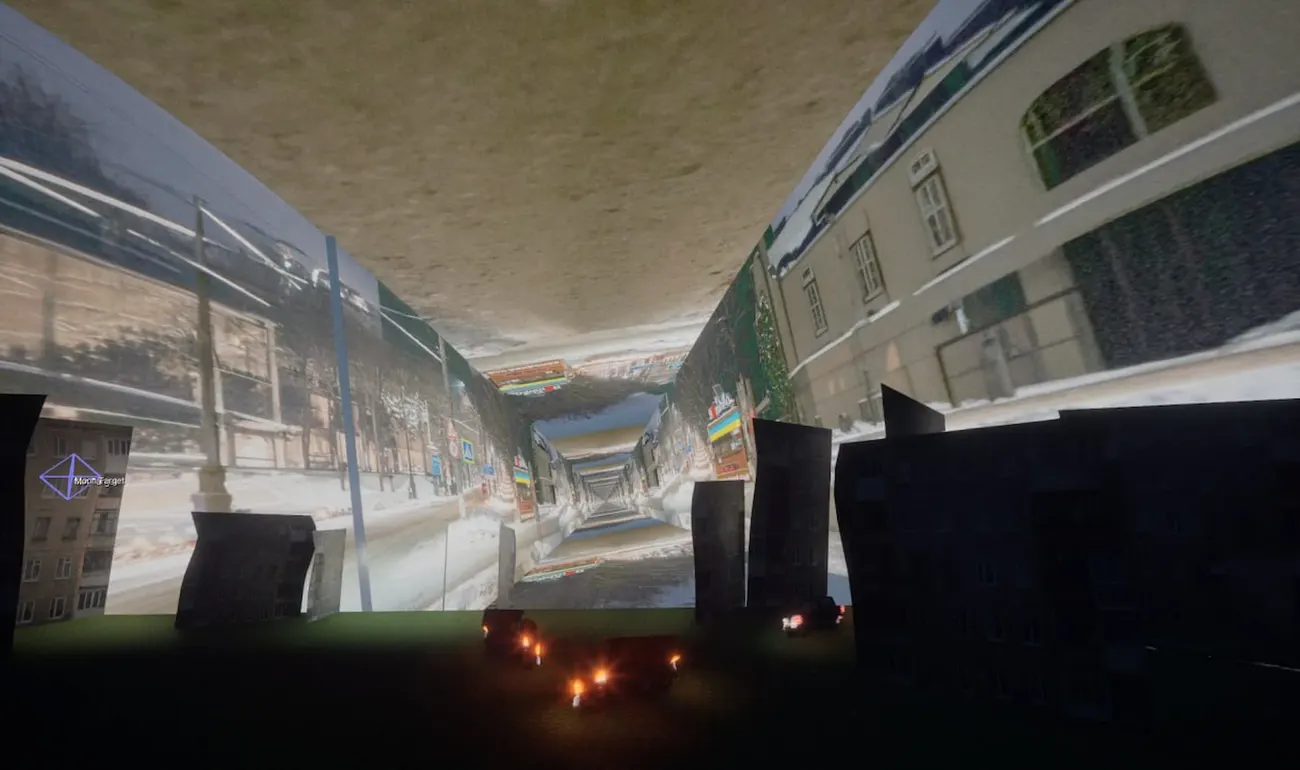
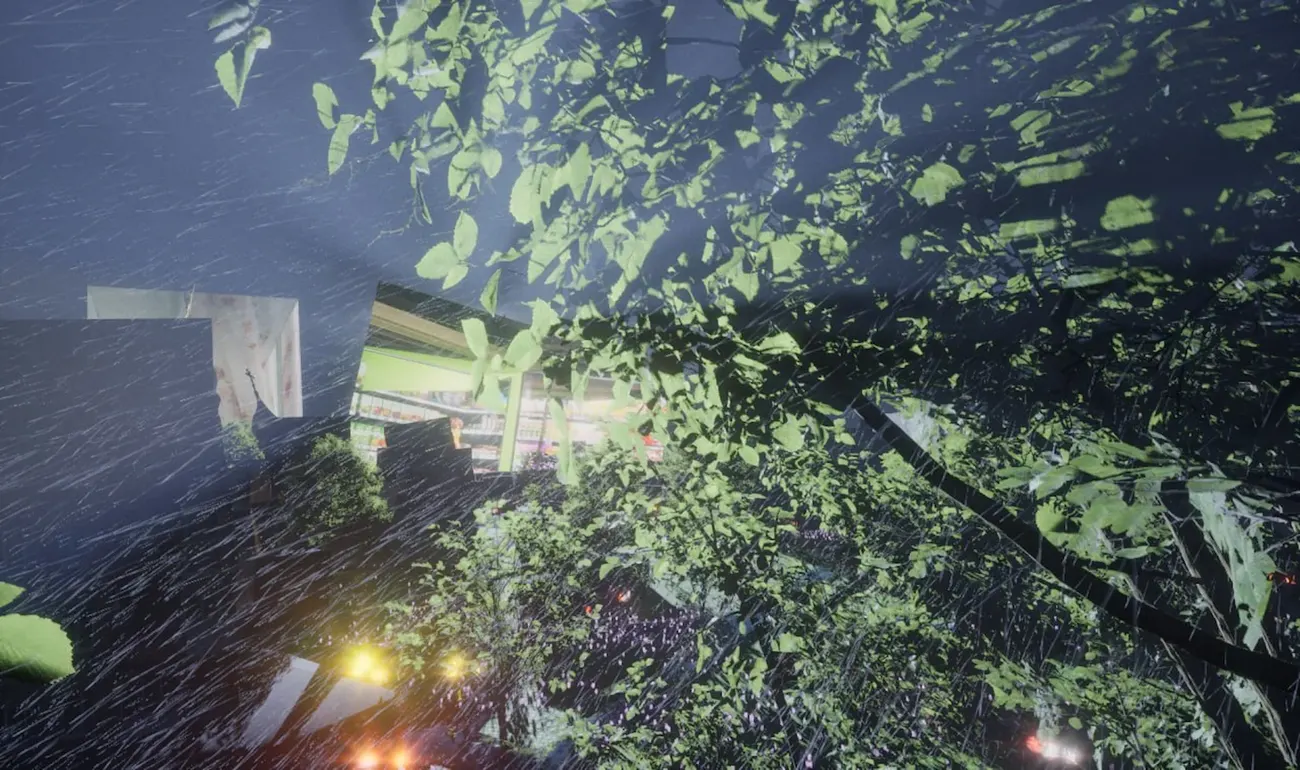
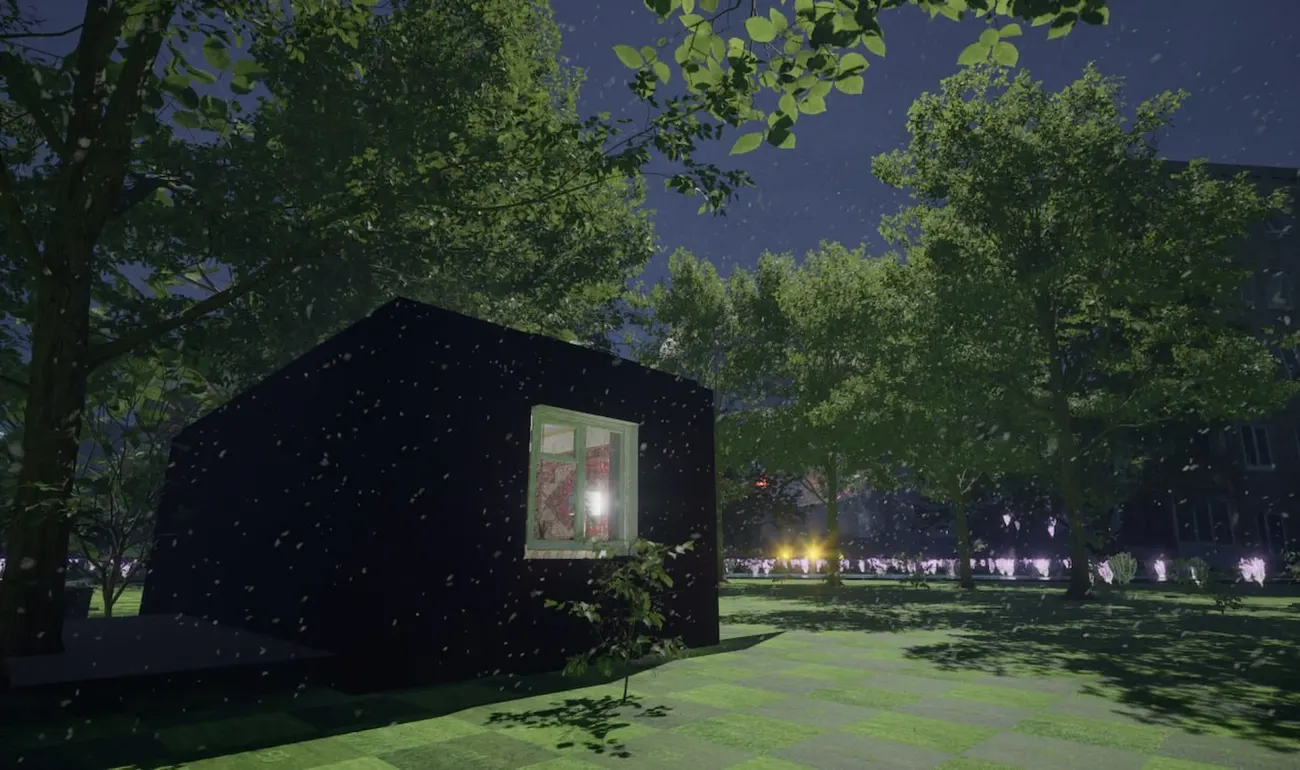
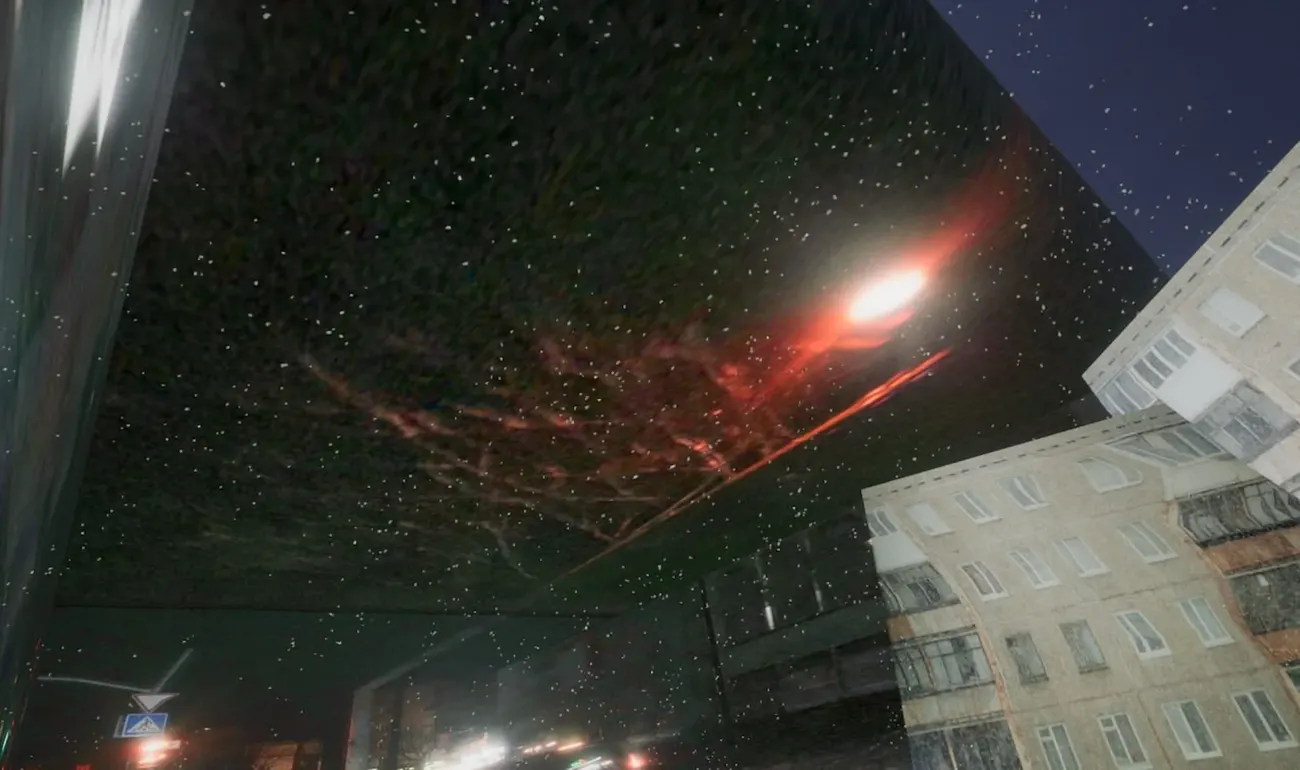
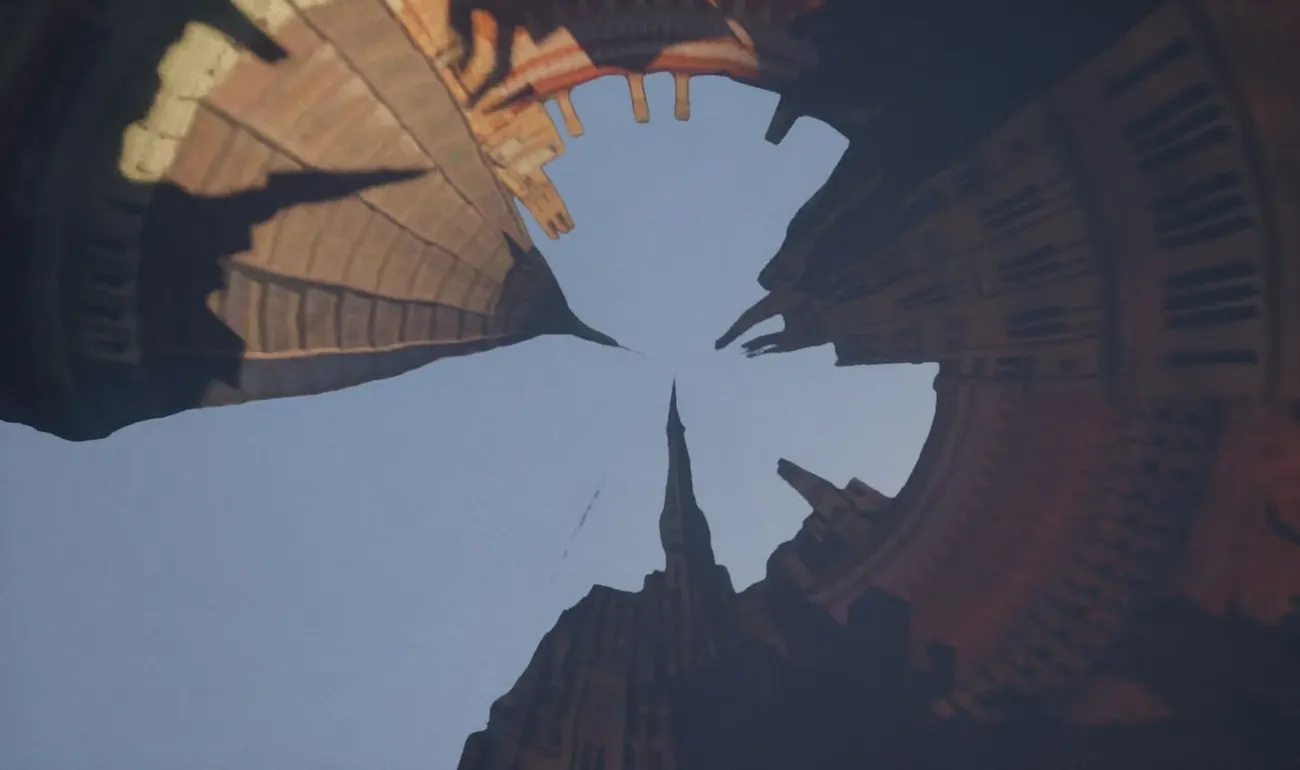
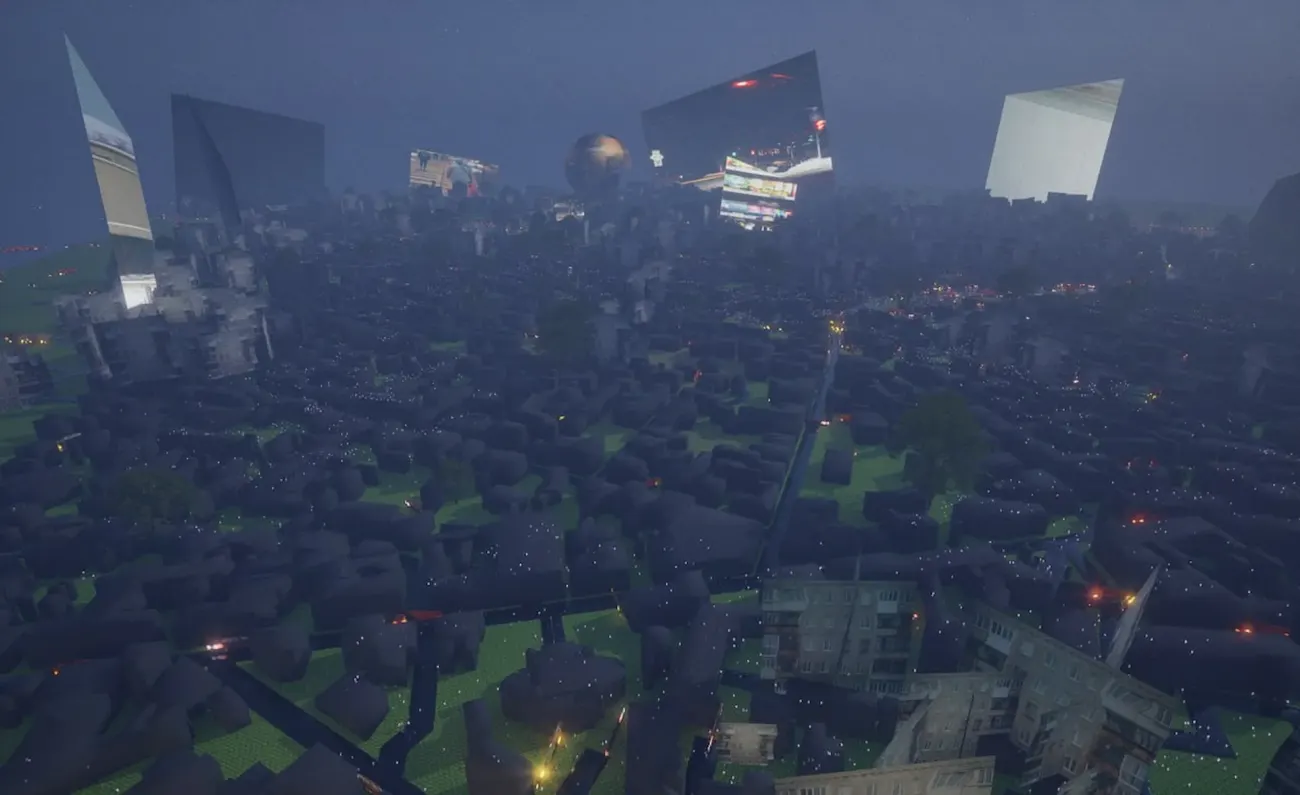
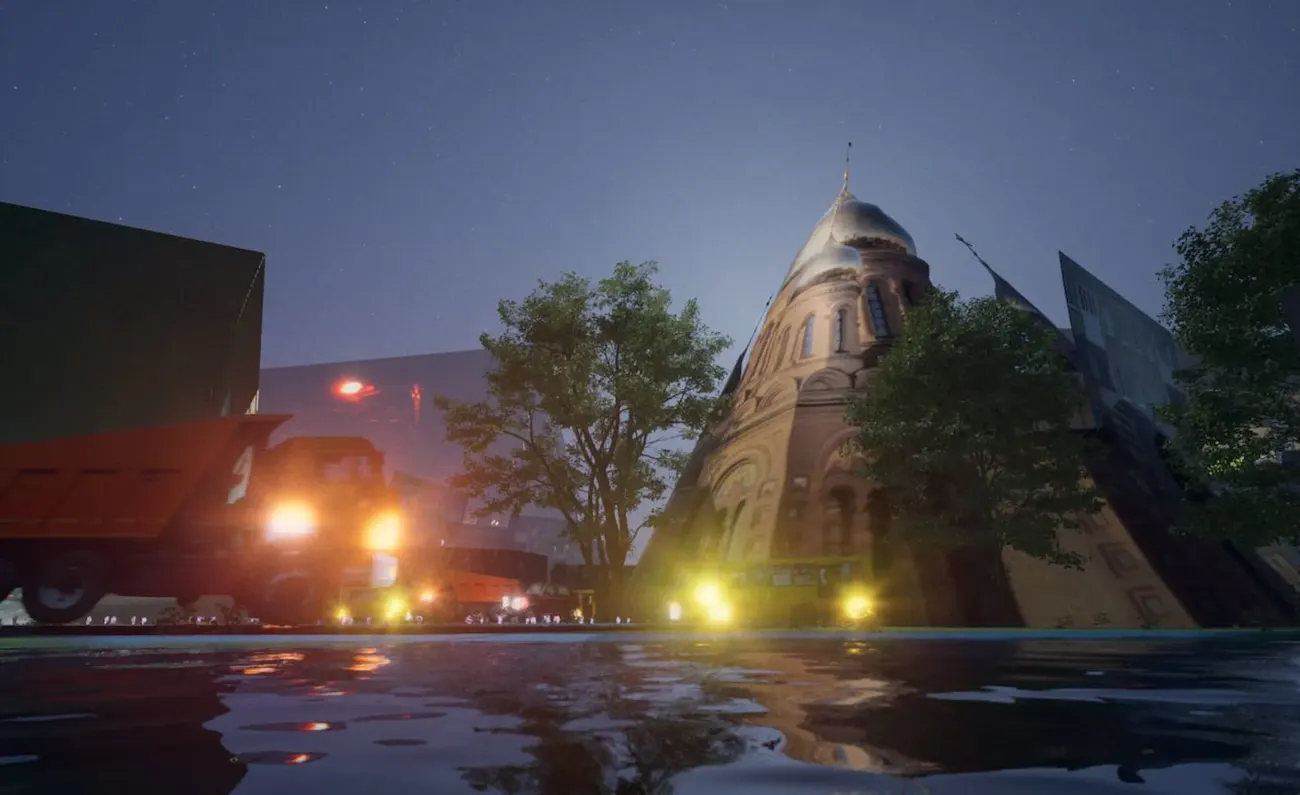
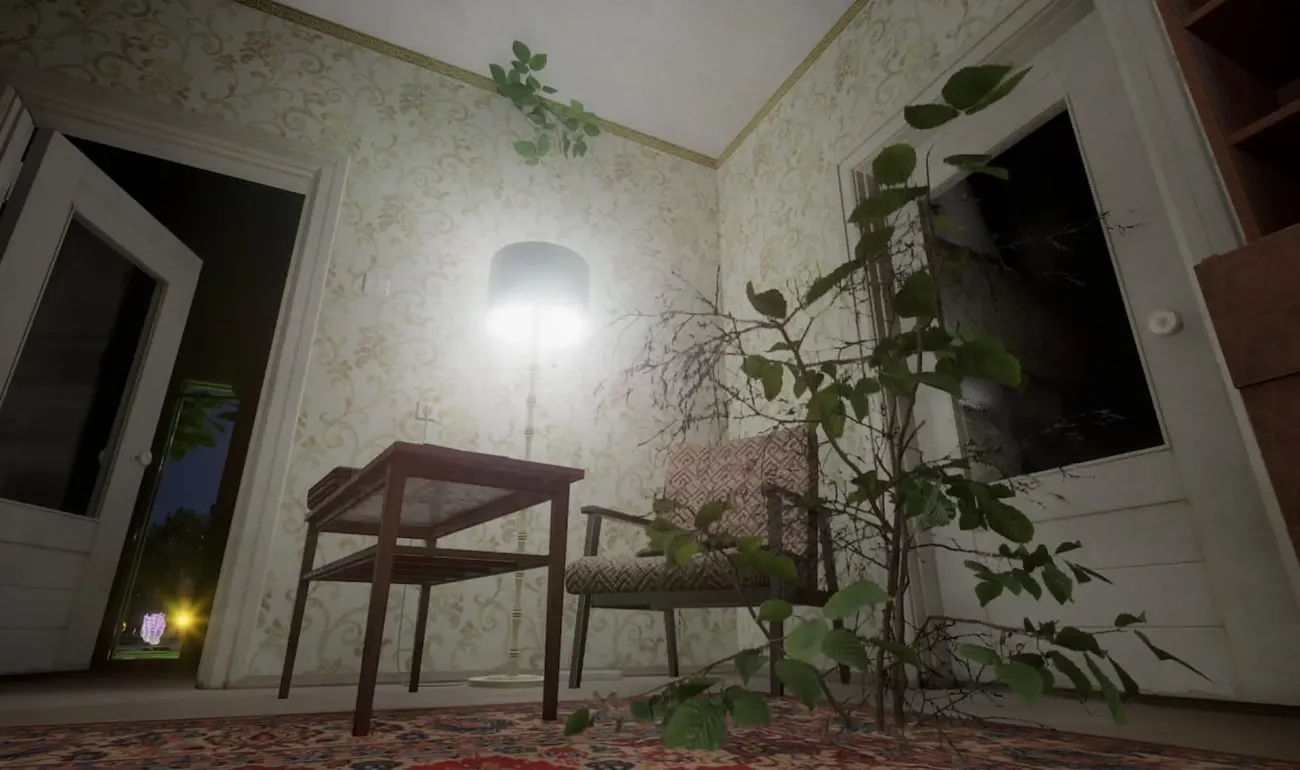
This work investigates liminality as both a theoretical framework and a lived condition emerging through migration, photography and digital reconstruction. The research begins not from abstract theory but from a personal experience of displacement: a voluntary migration that gradually became irreversible, producing a growing distance between memory and the place once understood as home. From within this condition, liminality emerges not as metaphor but as an ontological structure shaping perception, belonging and image-making itself.
The practical component translates this condition into an interactive virtual environment developed in Unreal Engine. Photographs taken during rare returns to the city of origin are used to reconstruct urban space as simultaneously documentary and unstable. Visual artefacts, texture failures and the coexistence of two-dimensional photographic fragments within three-dimensional space are deliberately preserved as traces of the gap between recollection and reconstruction. The viewer navigates a space without task, progression or exit, inhabiting liminality as a formal condition.
Optical Error
2026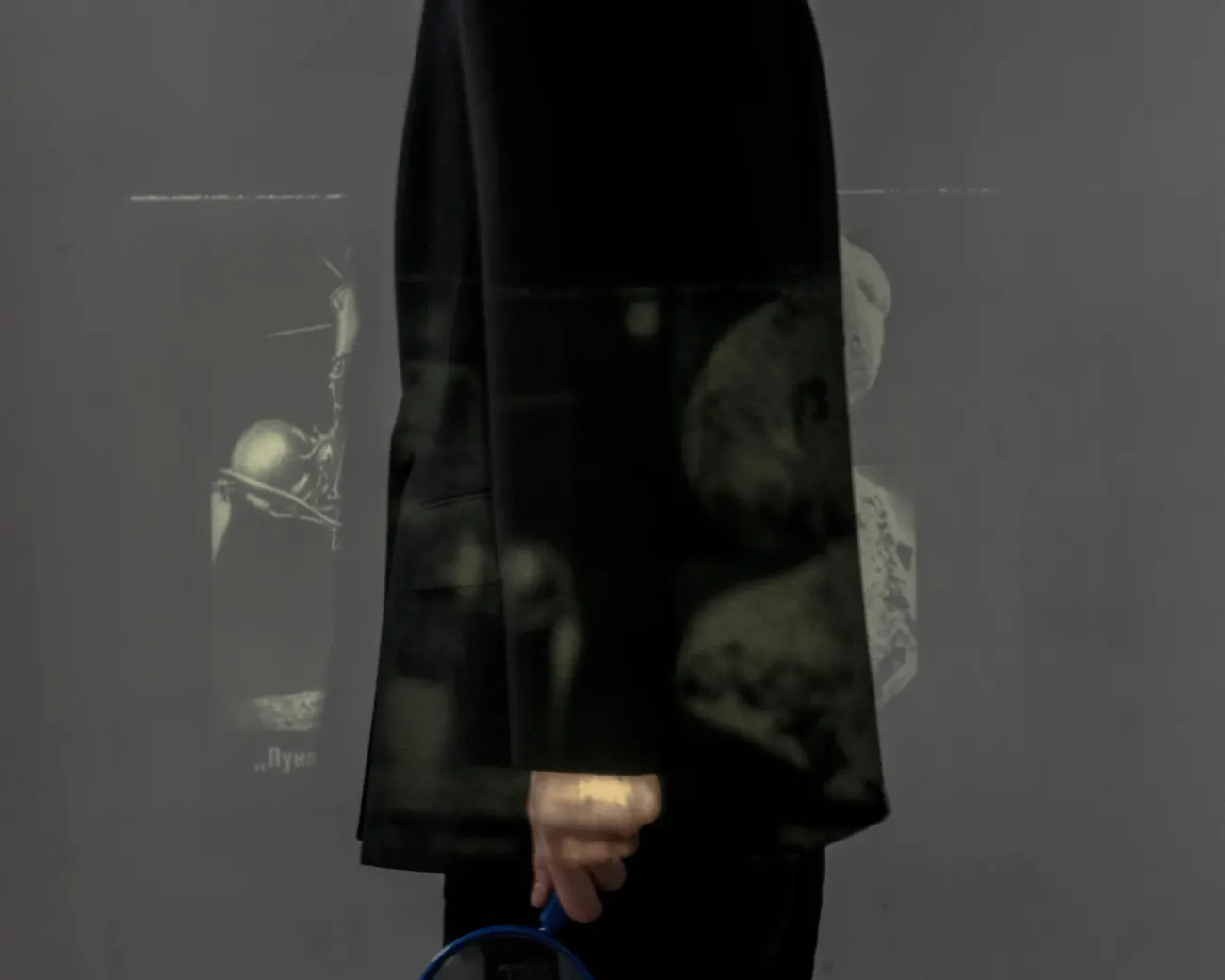
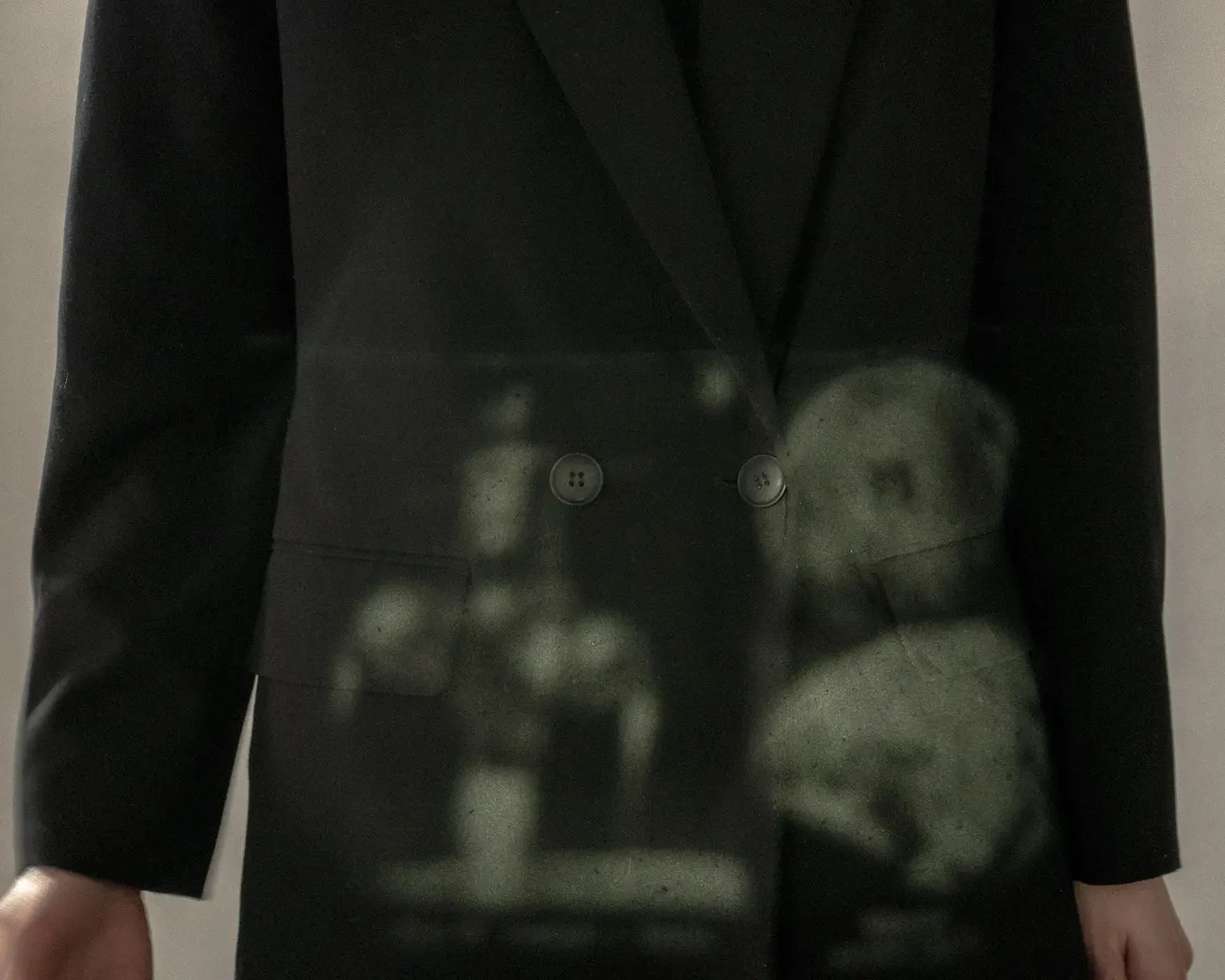
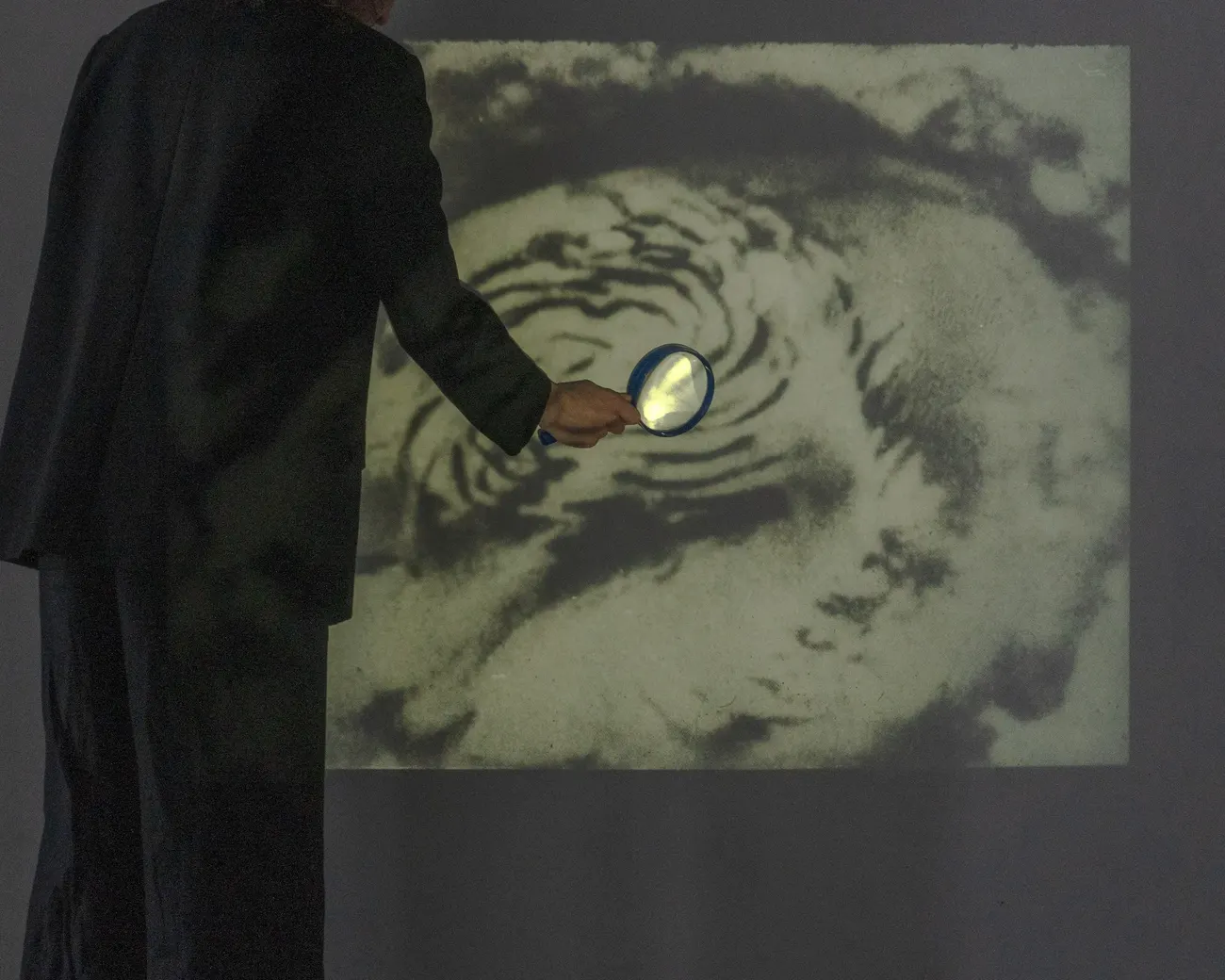
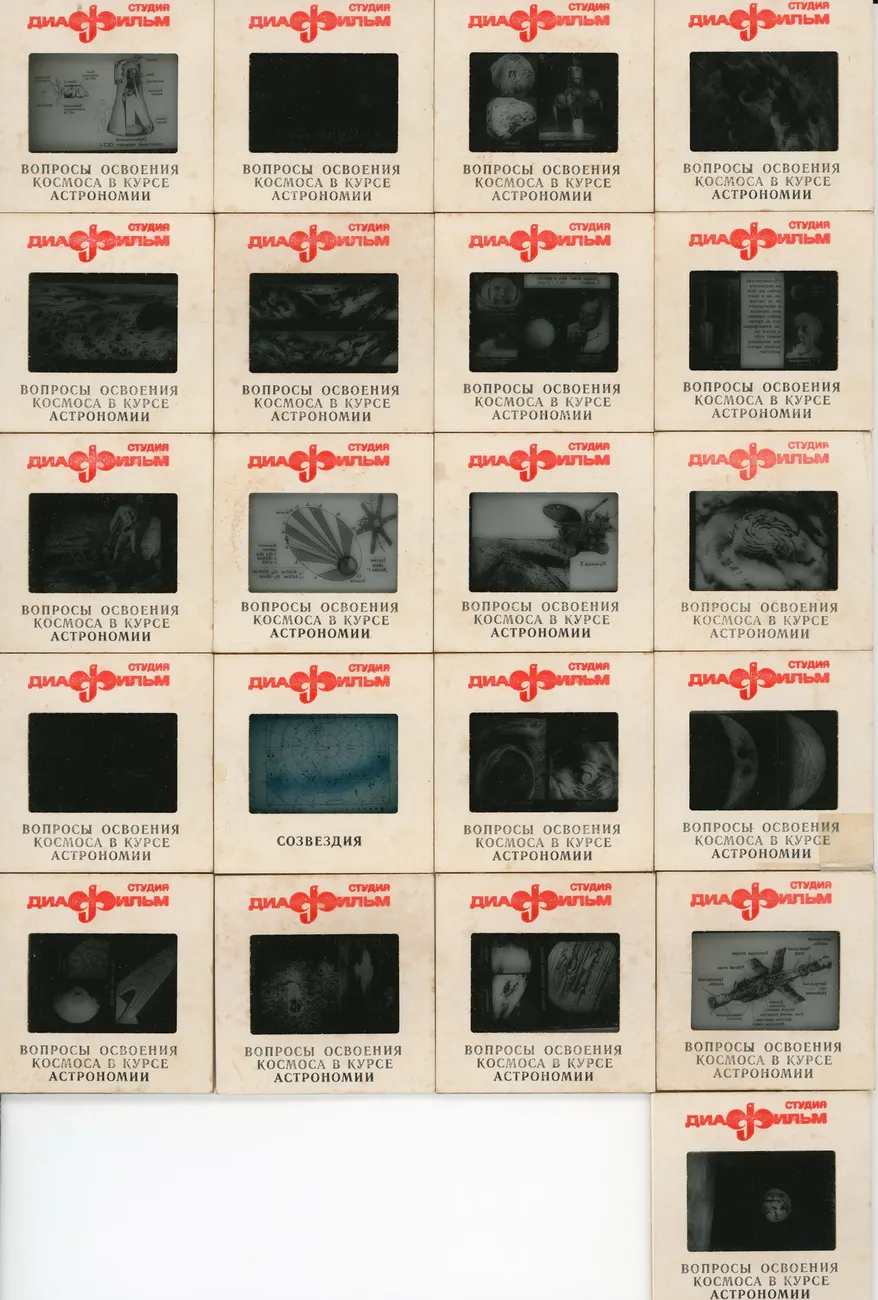
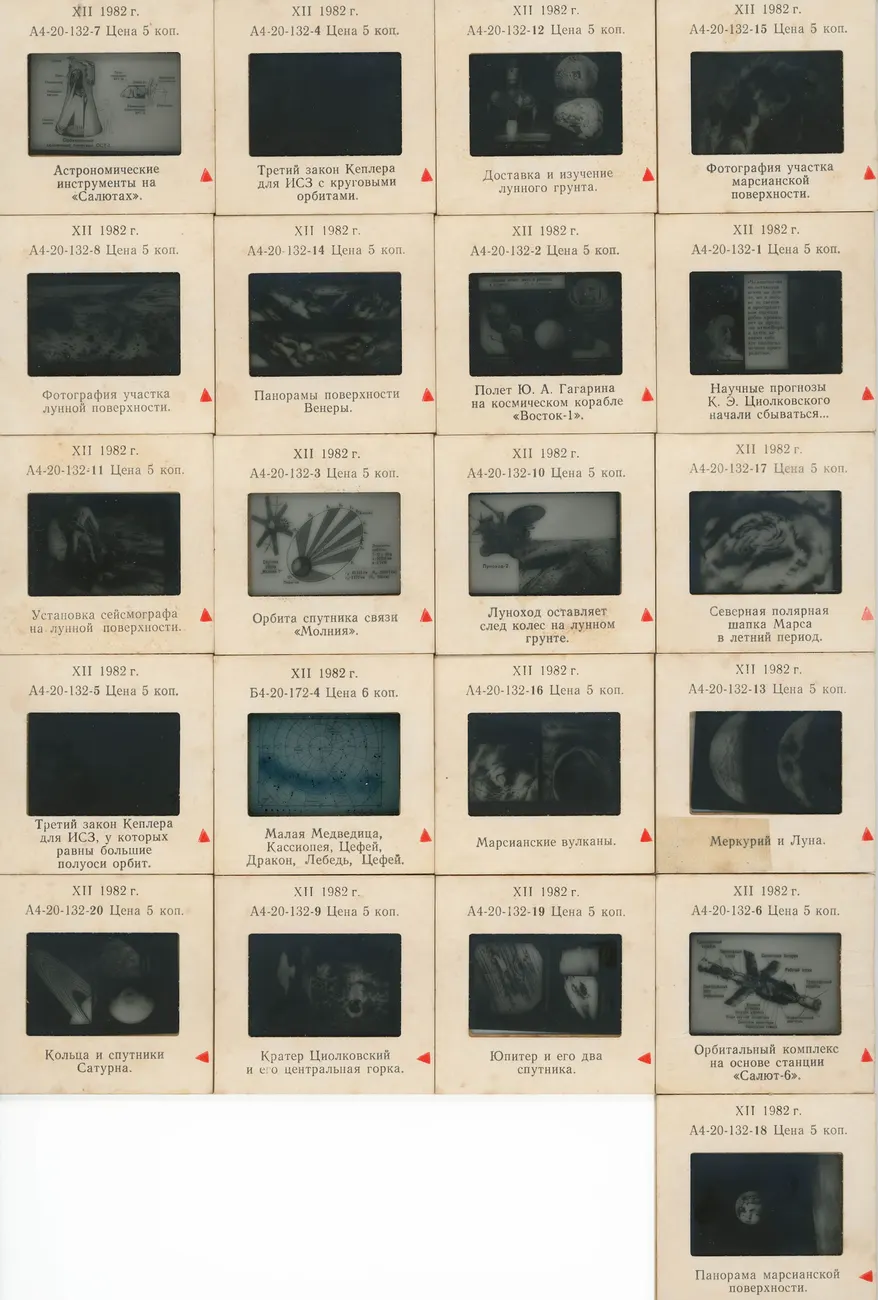
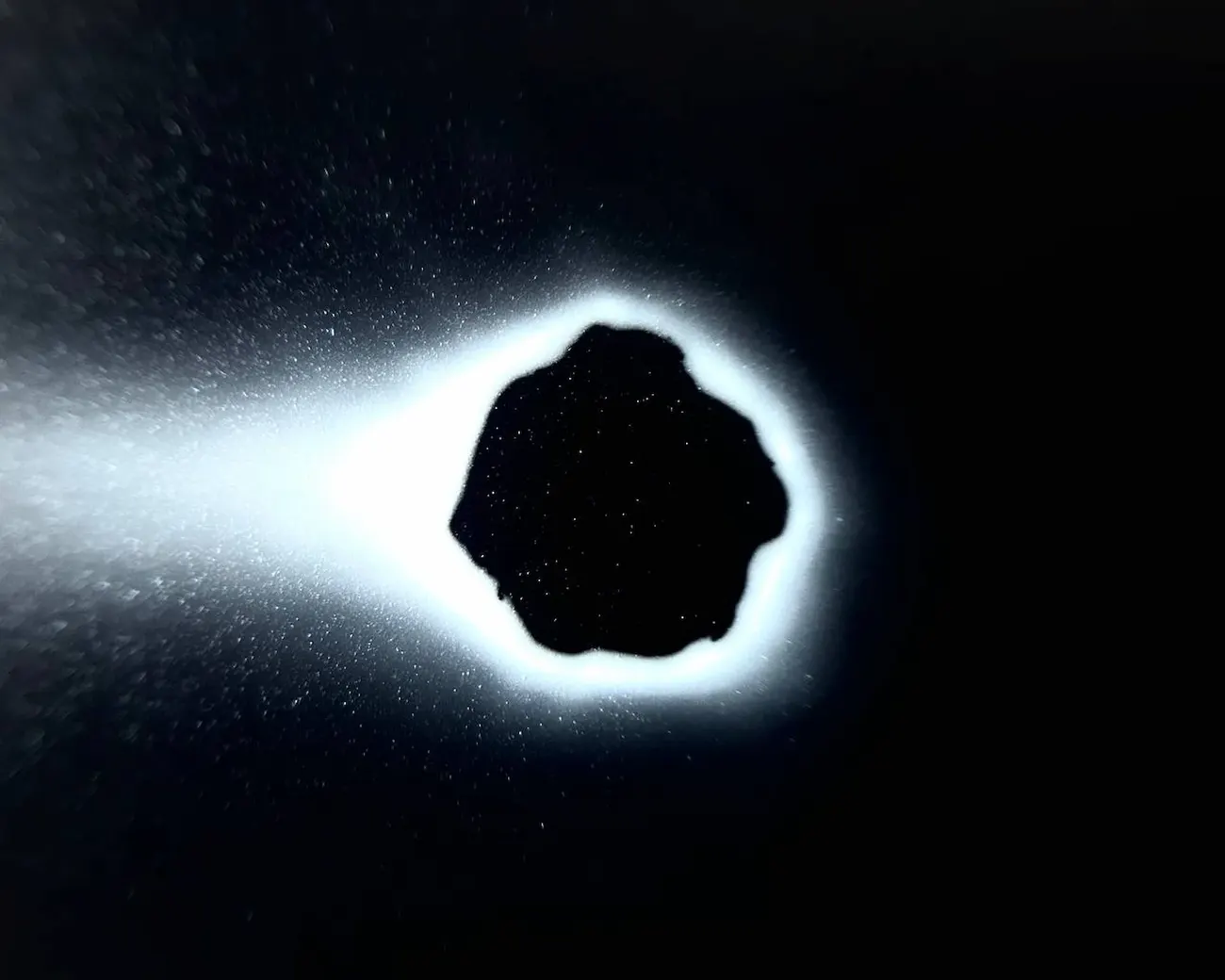
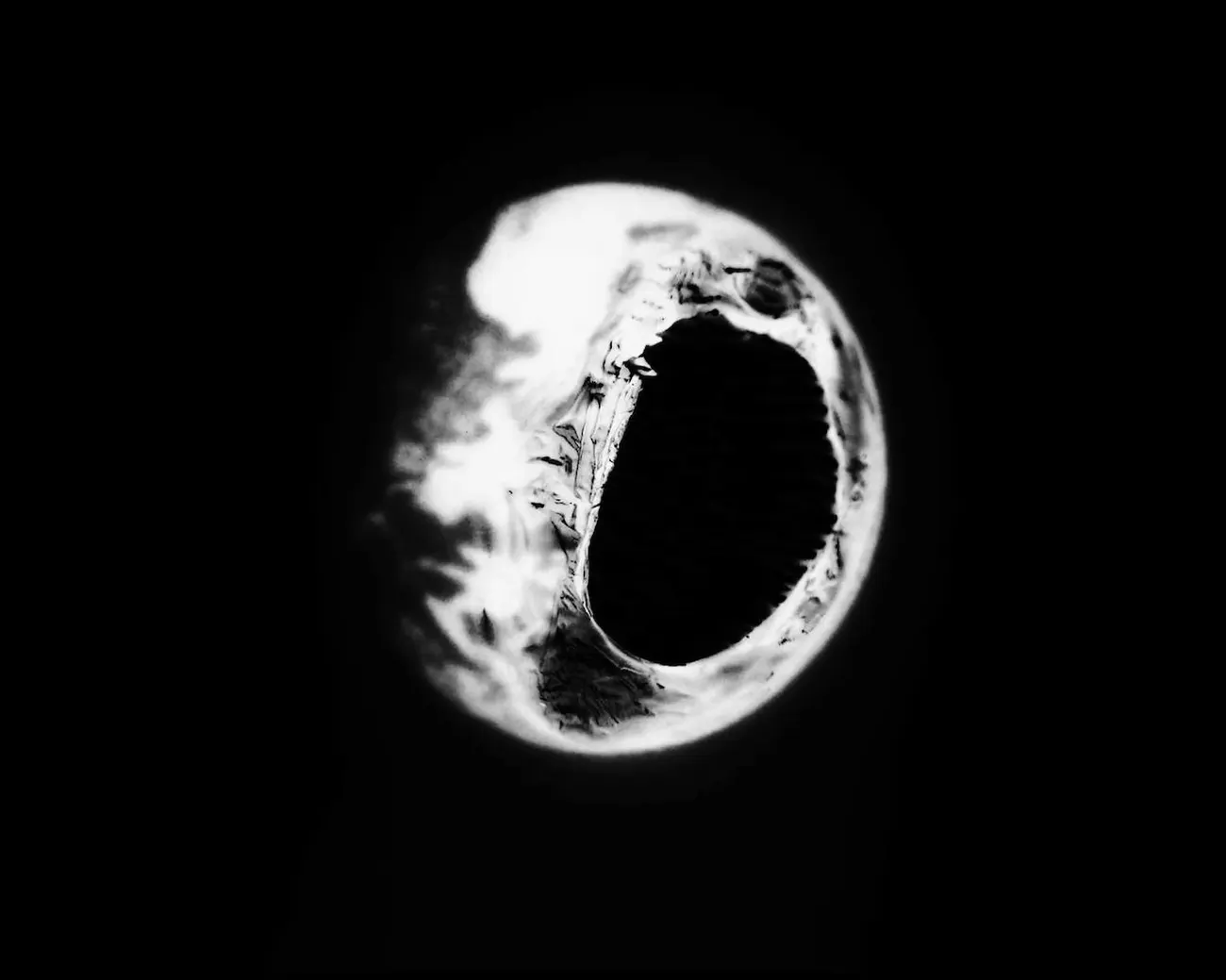
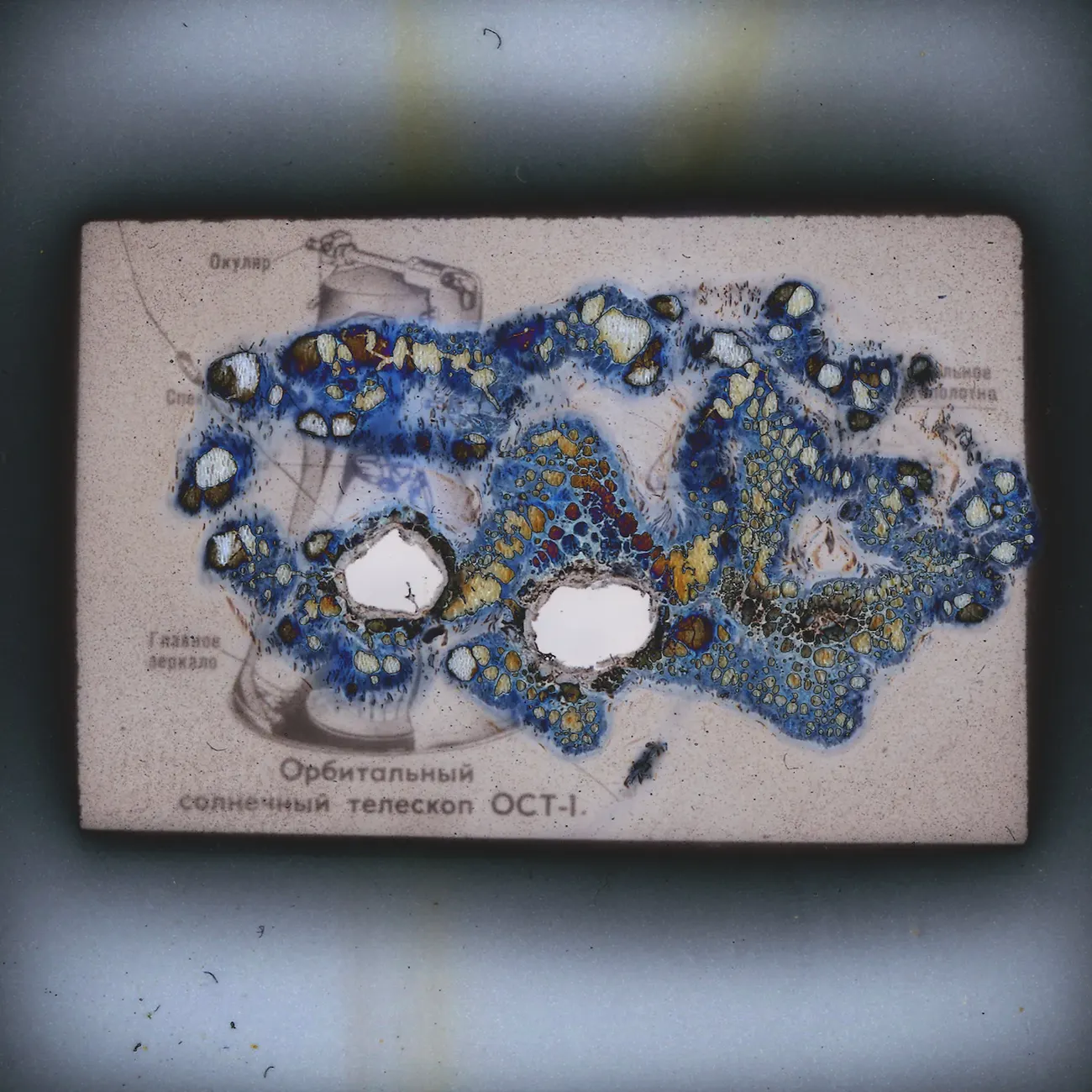
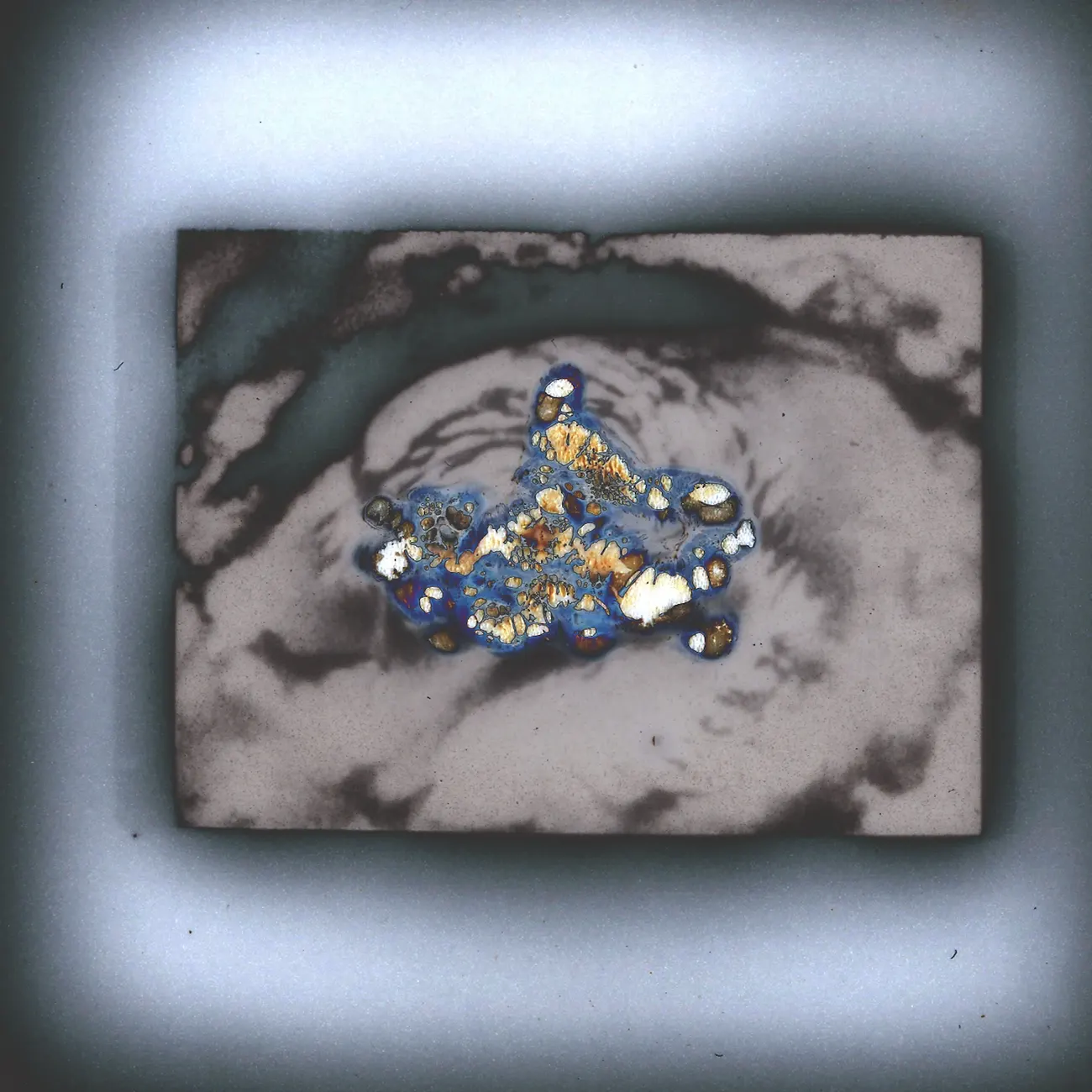
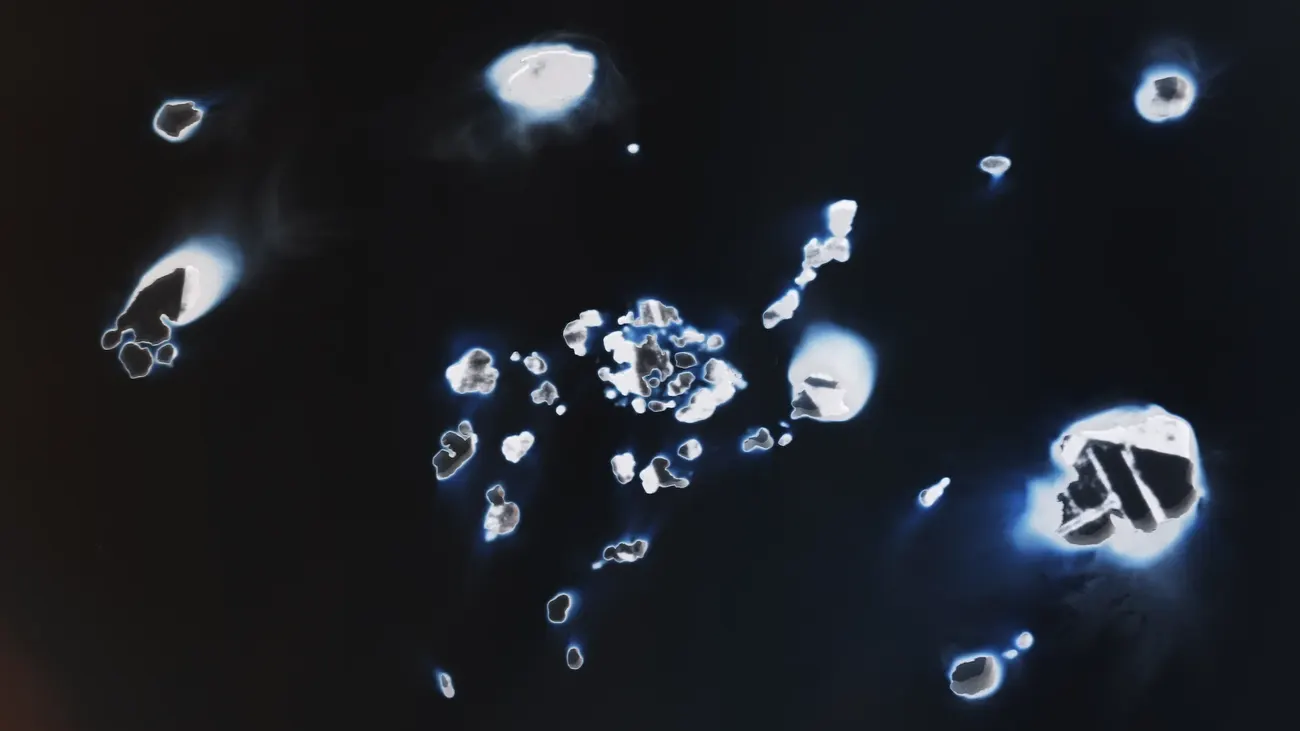
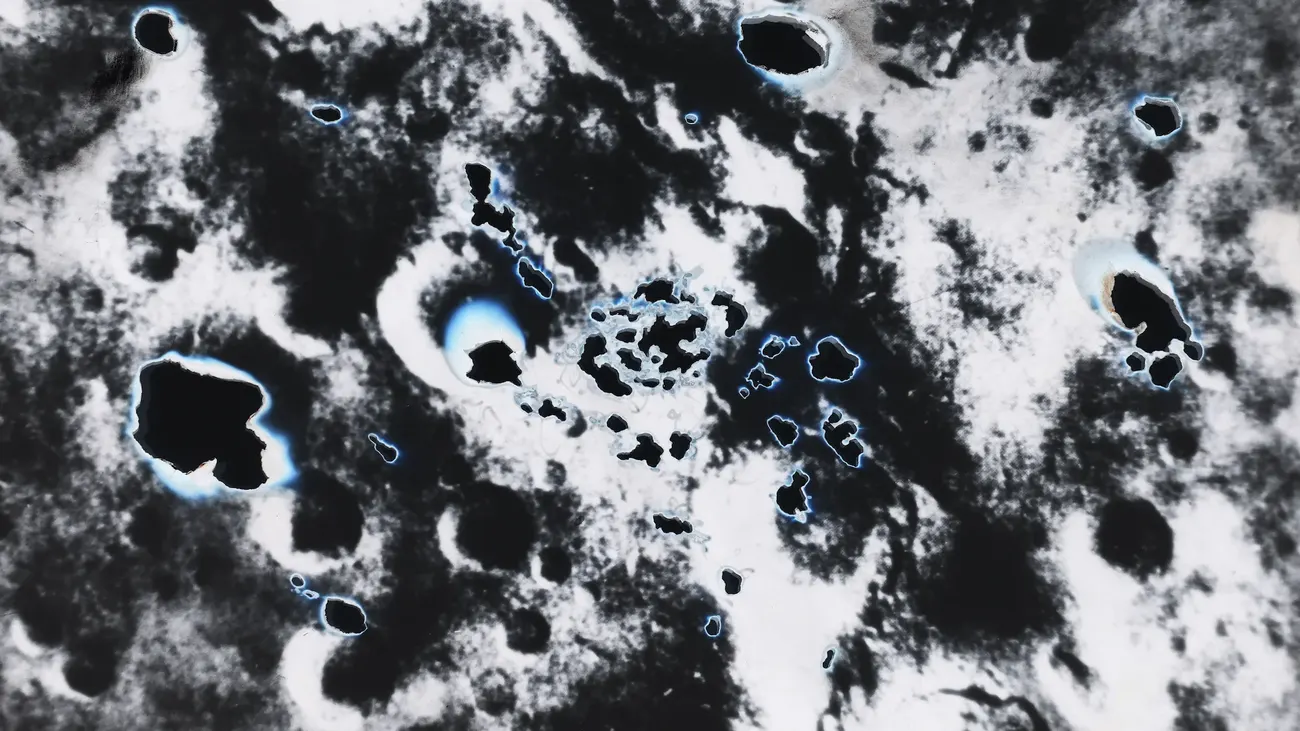
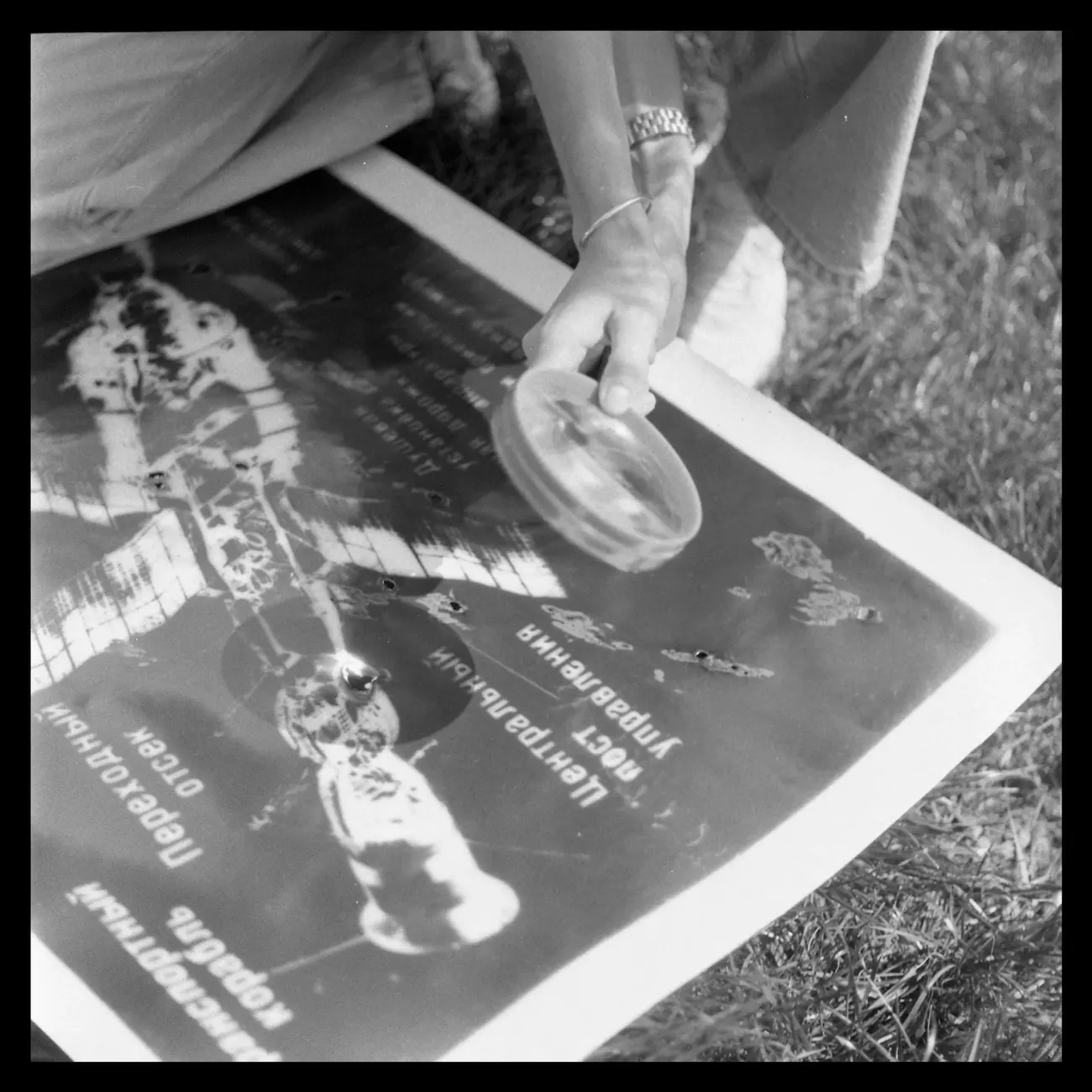
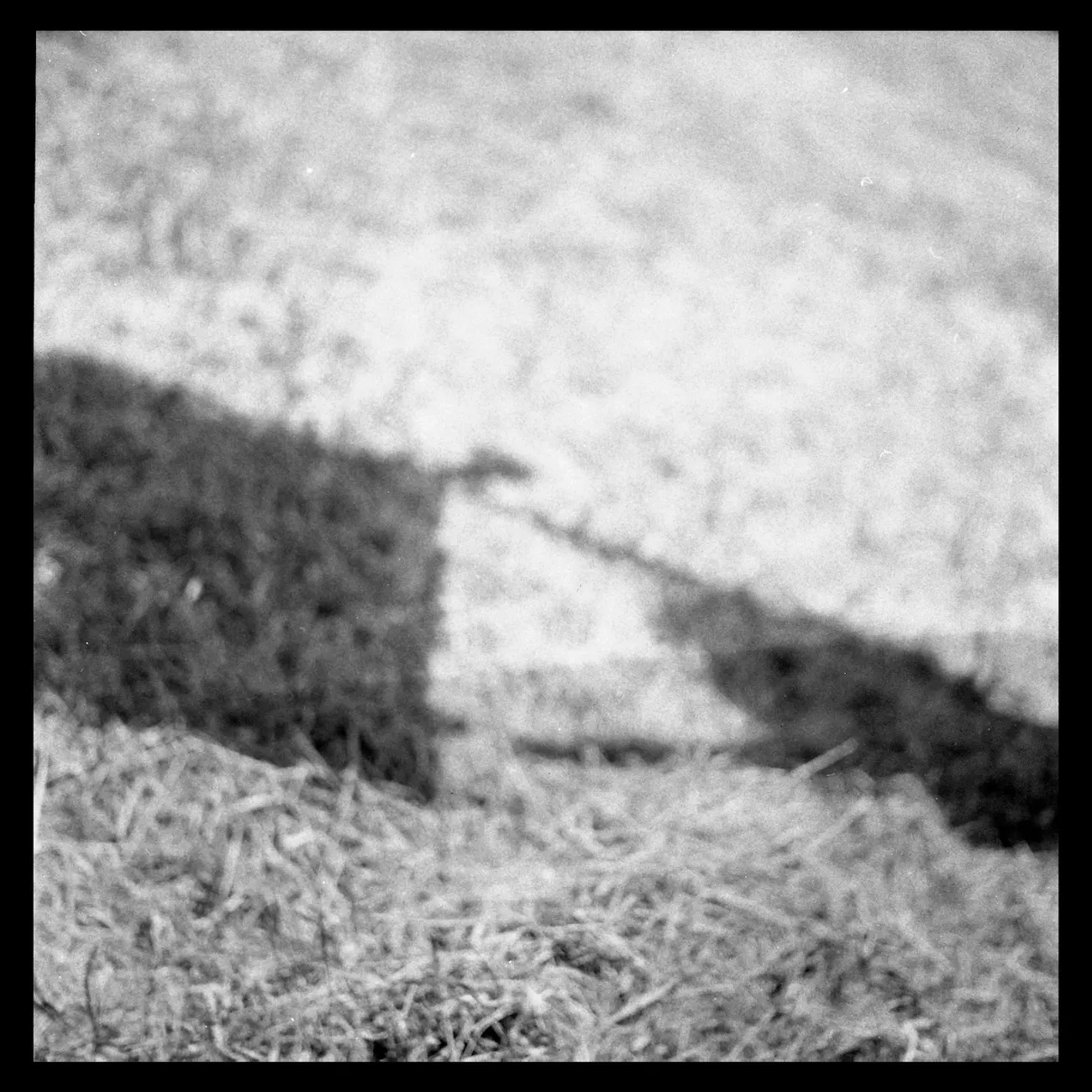
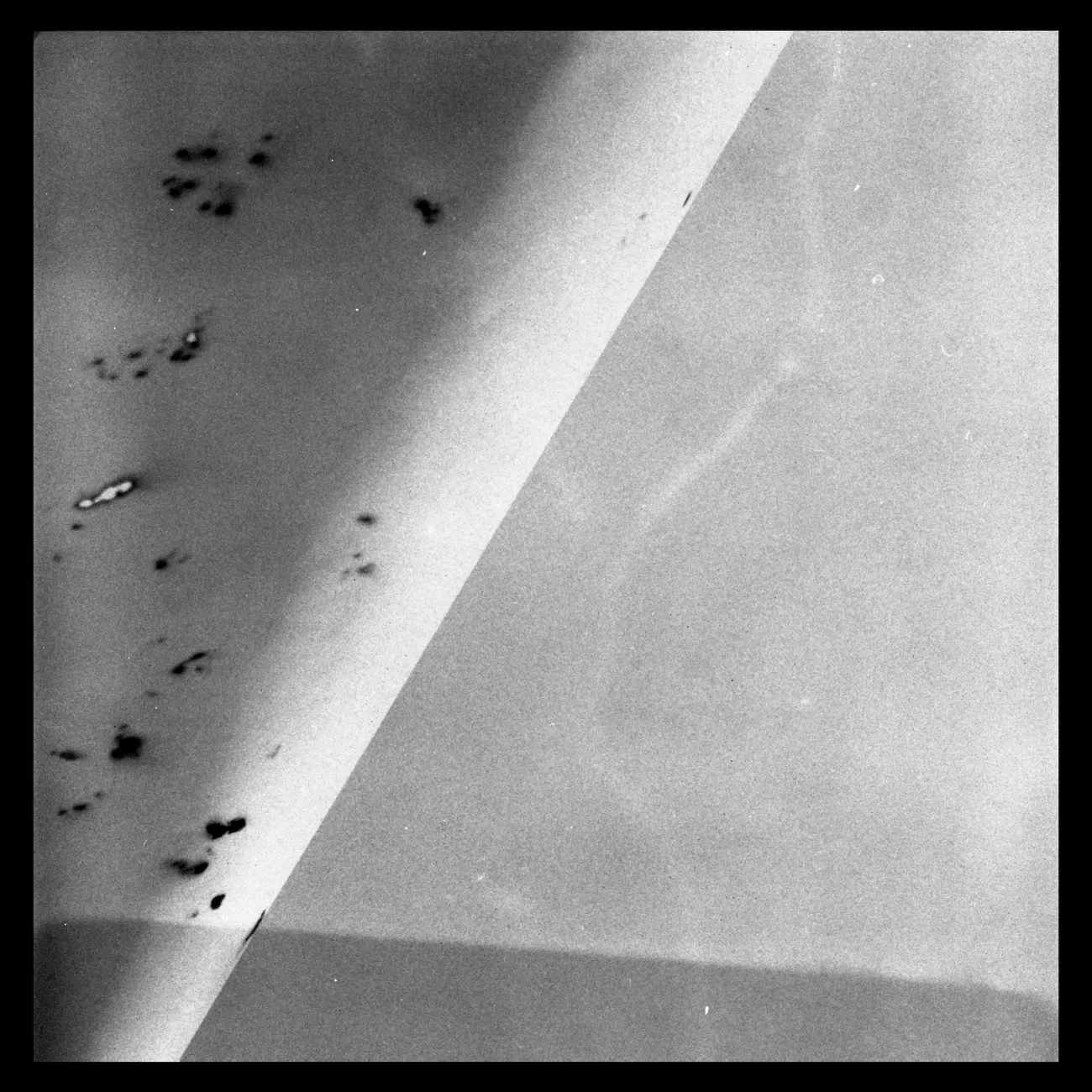
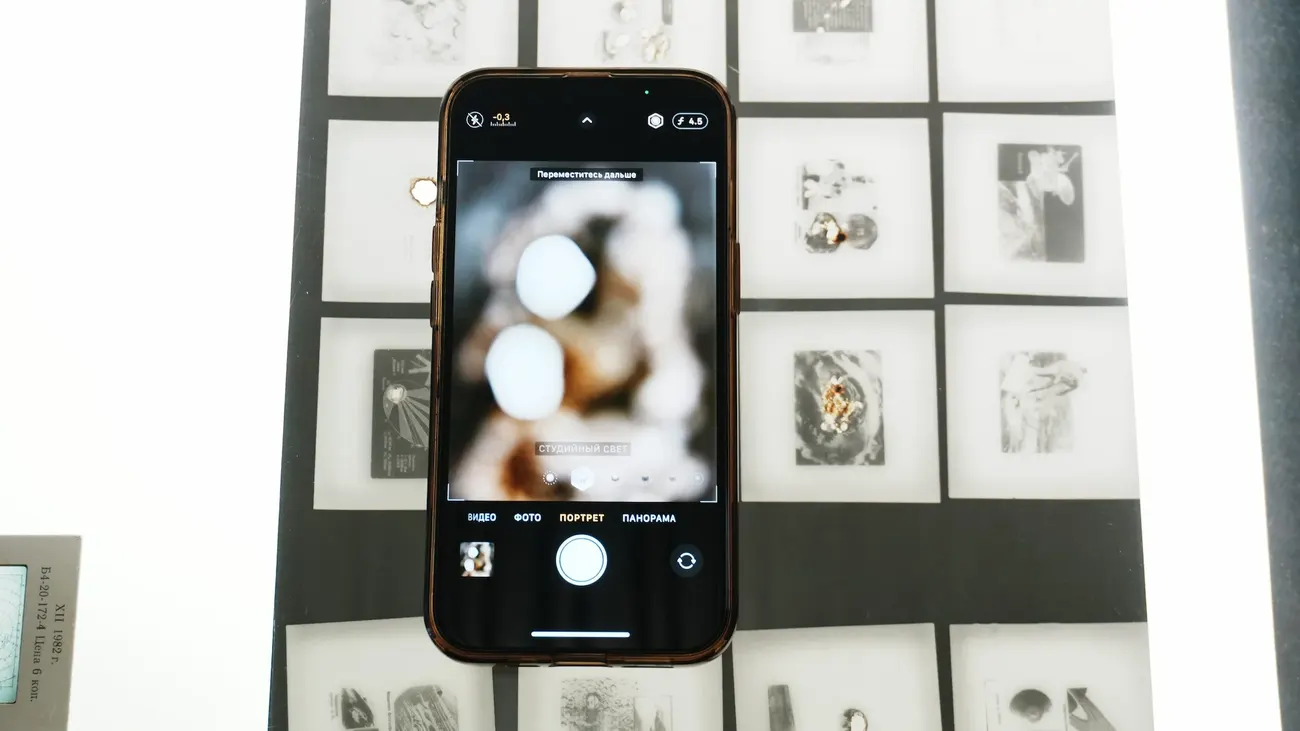
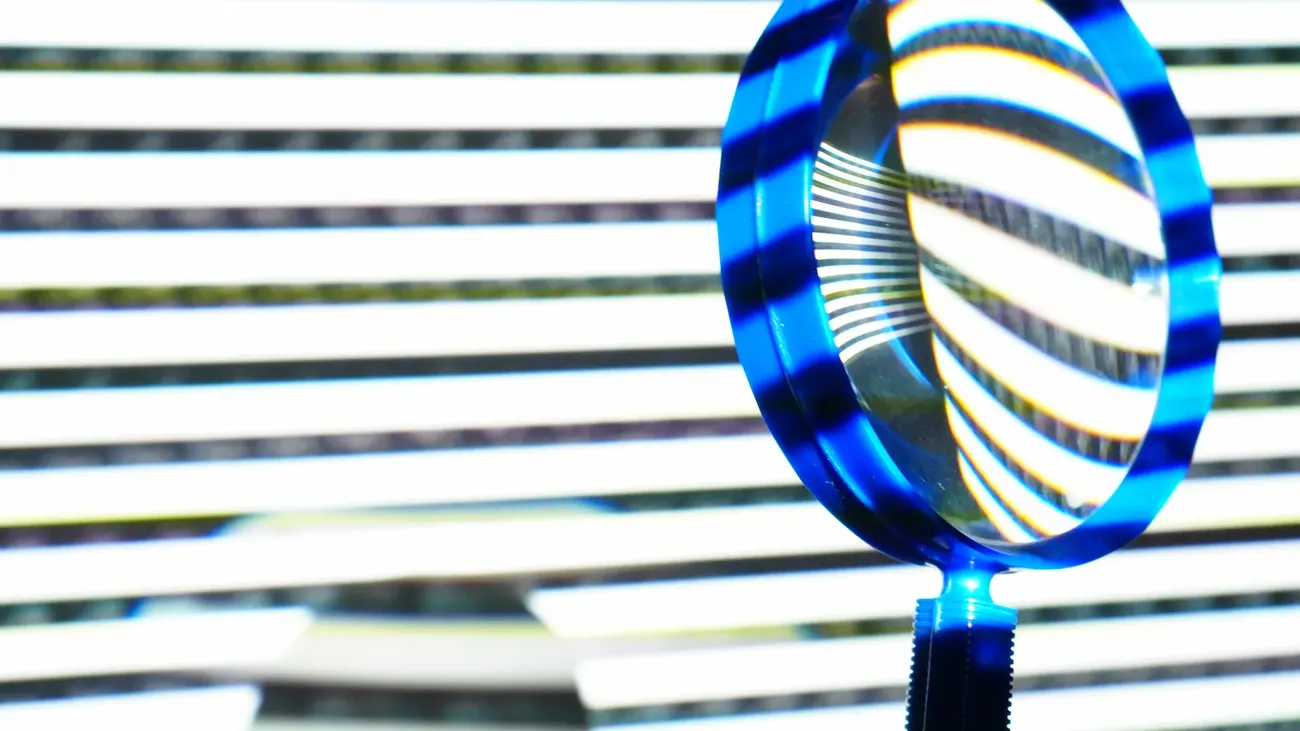
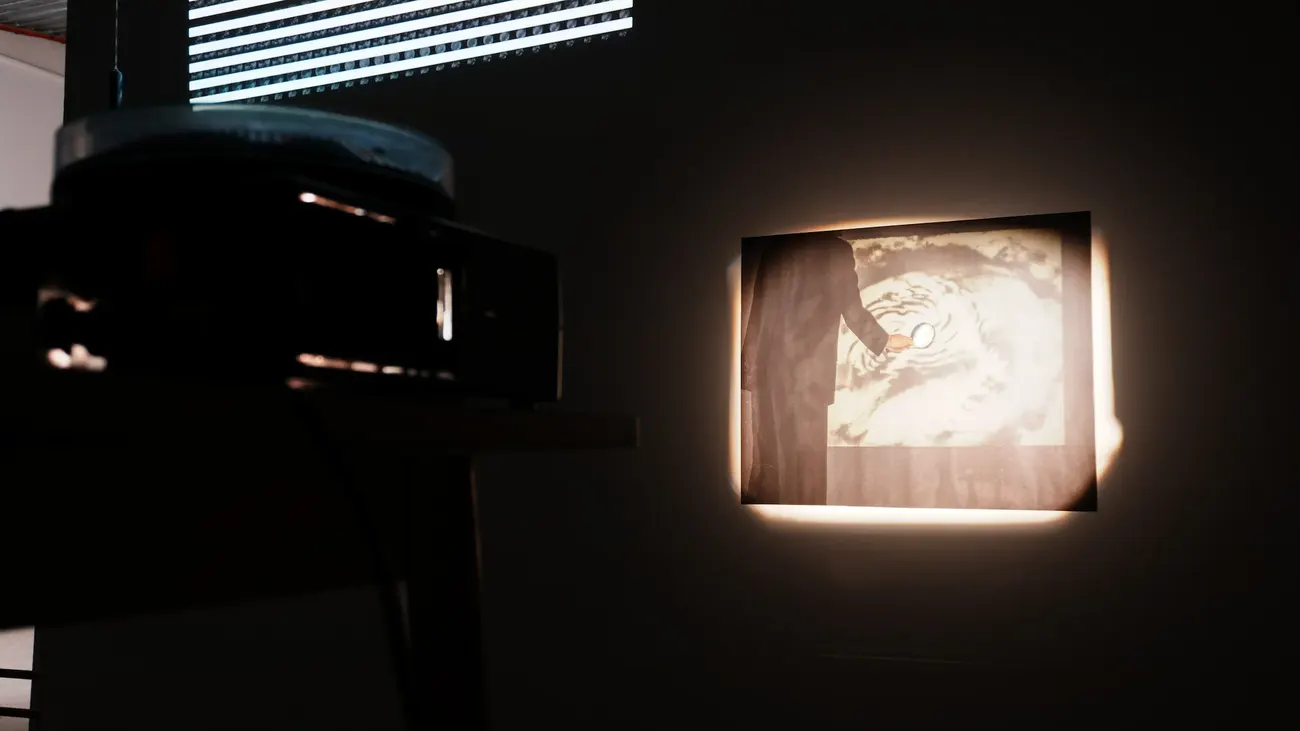
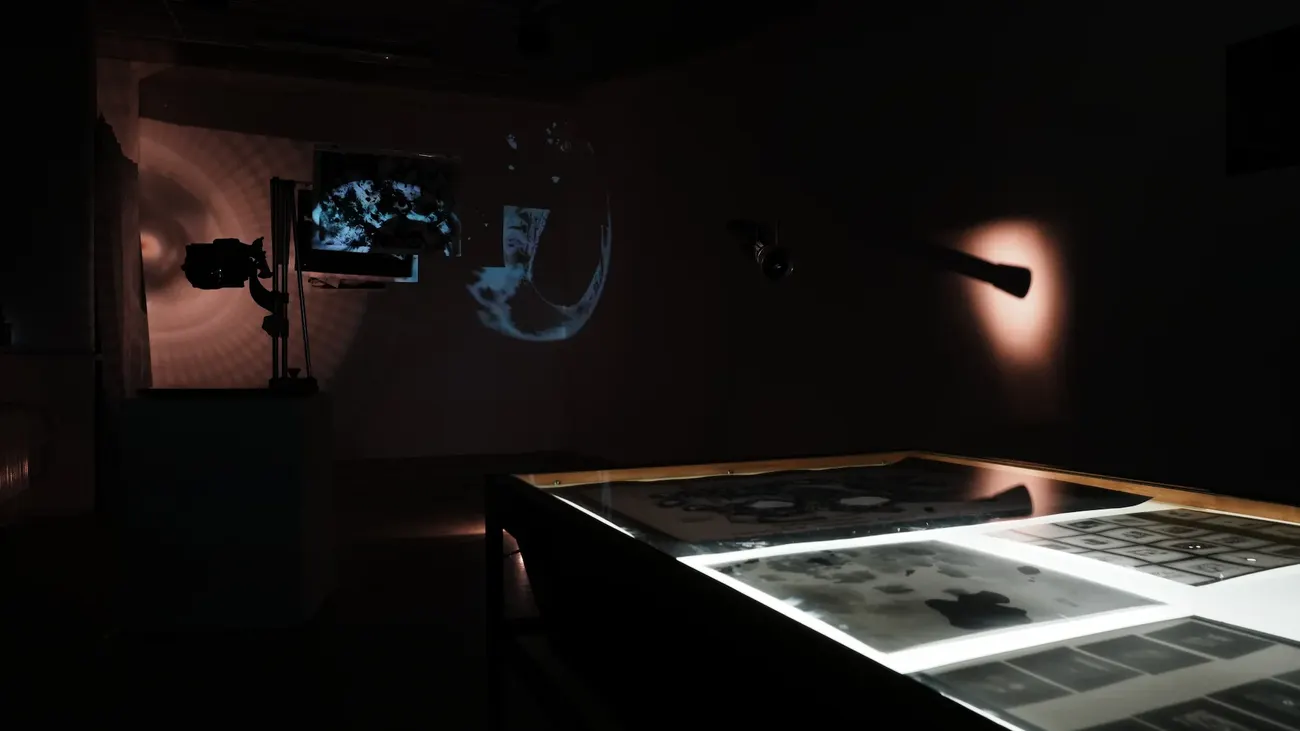
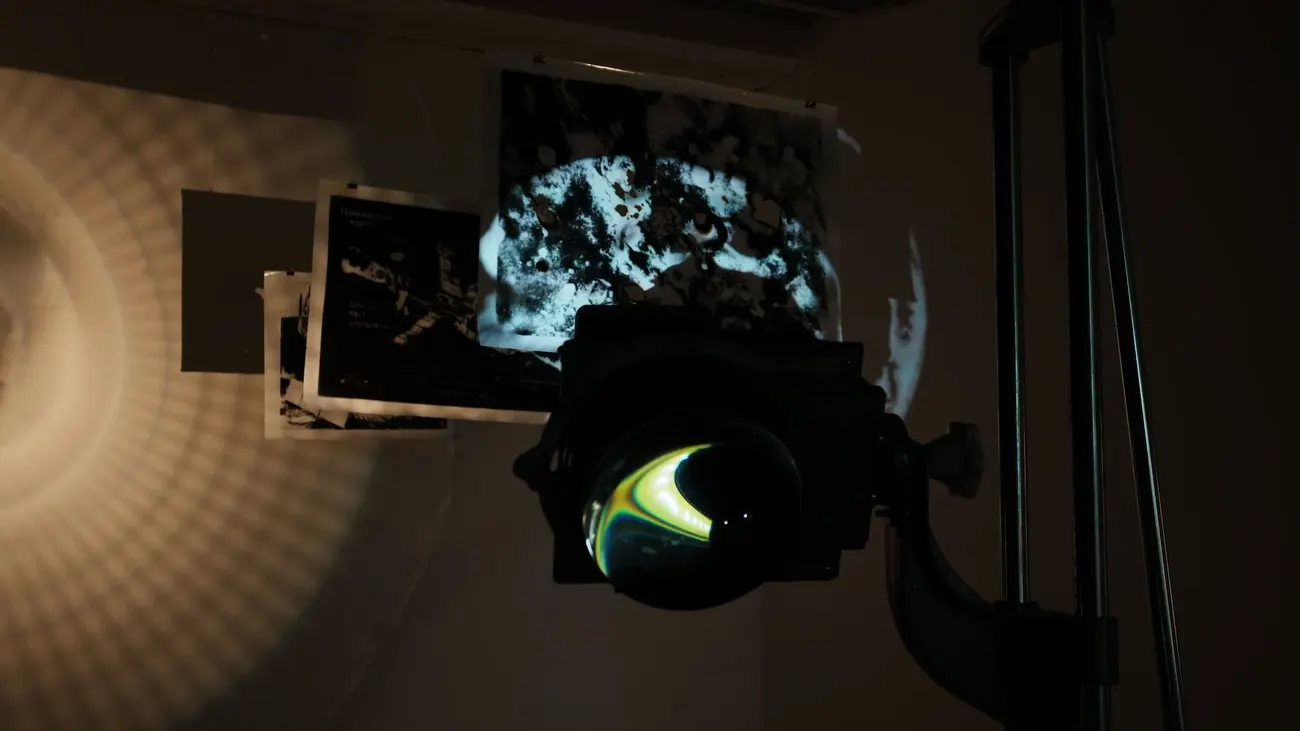
“Optical Error” is a thesis work grown from an encounter with a family archive: a collection of Soviet educational slide films produced in 1982, belonging to the artist’s grandfather. The point of departure was a question about the nature of error in photography: when does a technical flaw, a distortion or a failure cease to be a defect and become a meaningful element that speaks to the nature of the image itself?
The research moved through five sequential experimental stages: the study of lighting conditions in a photographic studio (control and its deliberate collapse); an analytical examination of the slides as physical objects through projection and a magnifying glass; the production of contact prints; work with large-format photographic paper; and finally the generation of new images through inversion, overexposure and digital manipulation. At each stage the artist intervened intentionally in the process of fixing and reproduction: a projected beam carried the body of a person, a magnifying glass concentrated light to the point of physically burning the film, contact prints translated the image into a state of barely visible shadow or abstract trace. Destruction as a method of production.
The grandfather’s slides carry a double dimension: a Soviet astronomy curriculum (images of satellites, the lunar surface, orbital stations) and a personal family history stored in a fragile, ageing medium. The final visual series presents images in which error becomes form: burn marks on paper echo the lunar surfaces depicted in the slides themselves, creating a closed loop between the content of the archive and the physical traces of its destruction.
Real Price of a Crisp
2021 to 2022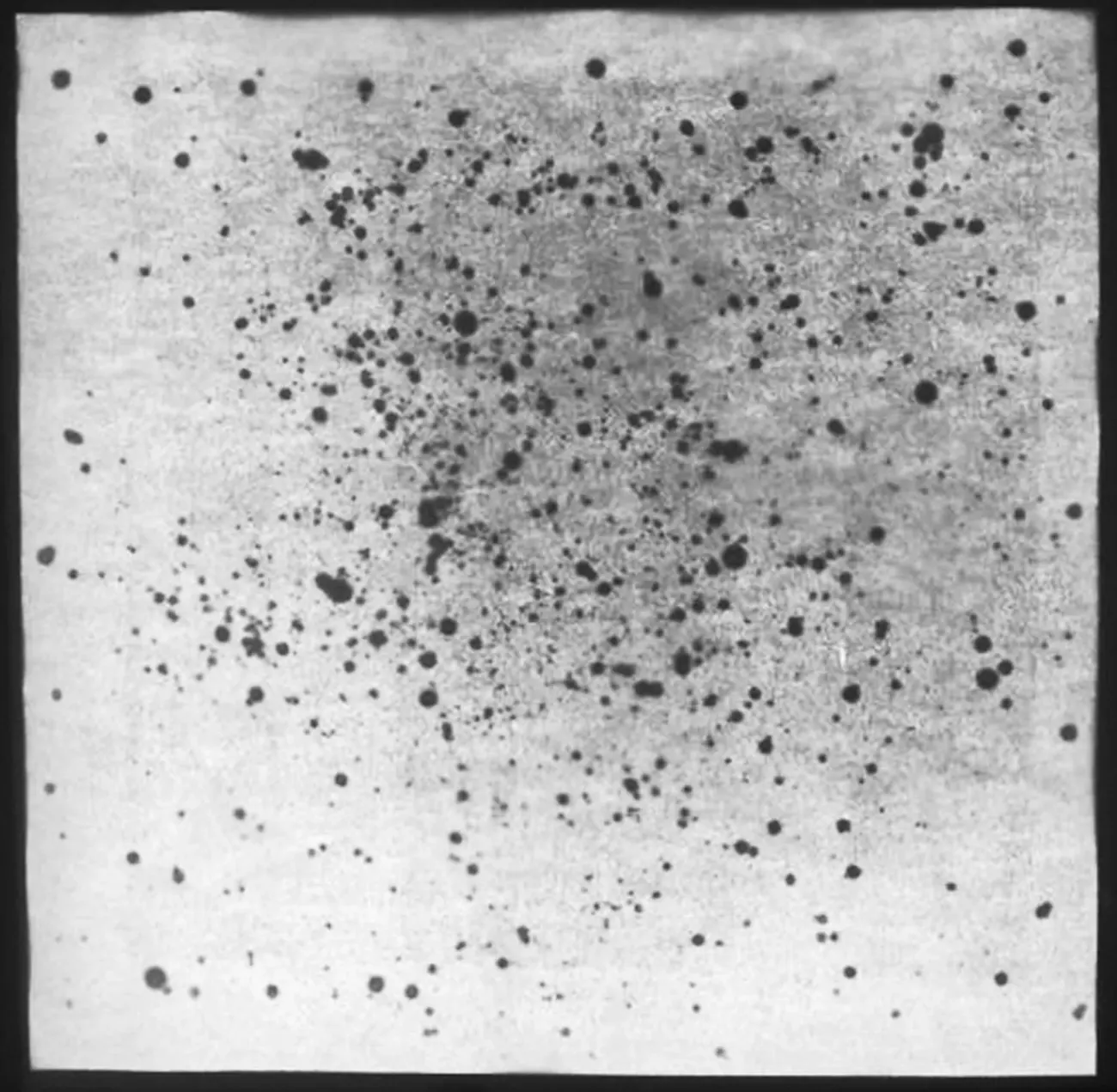
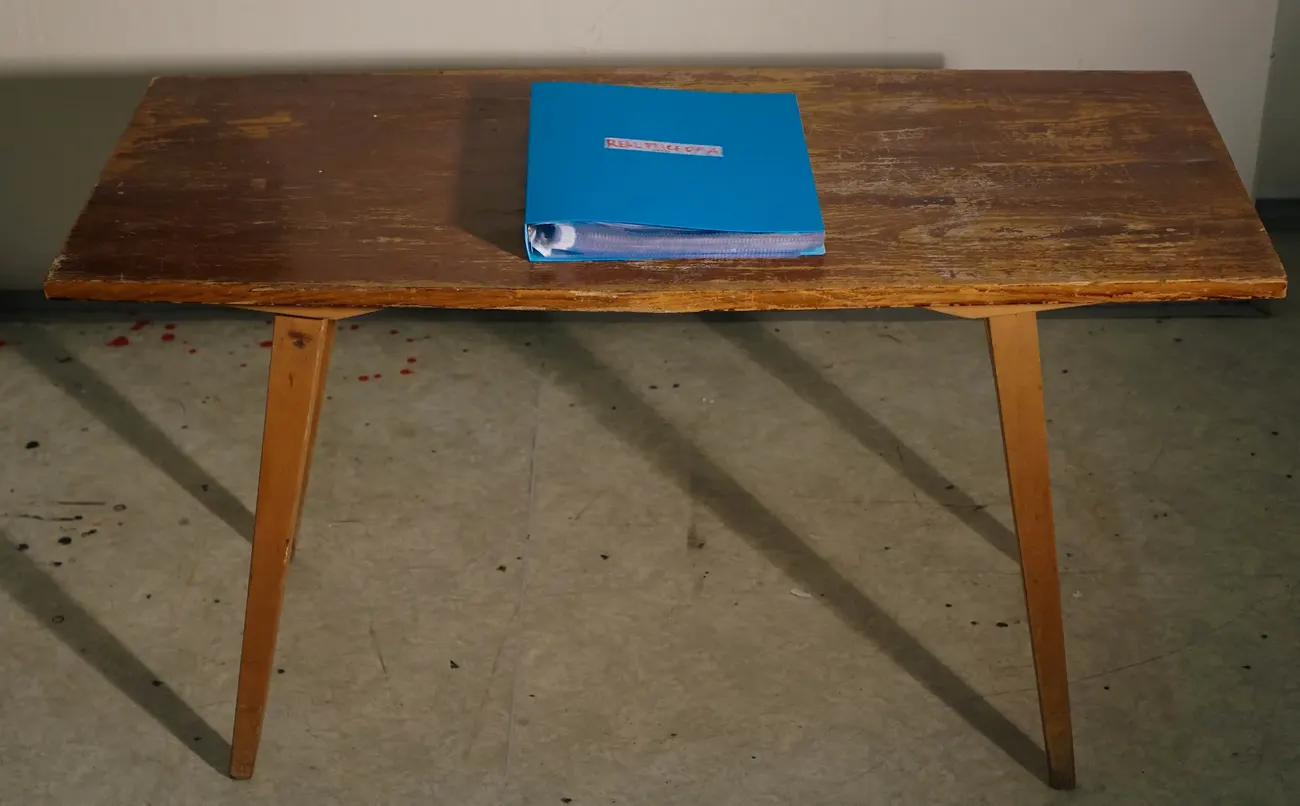
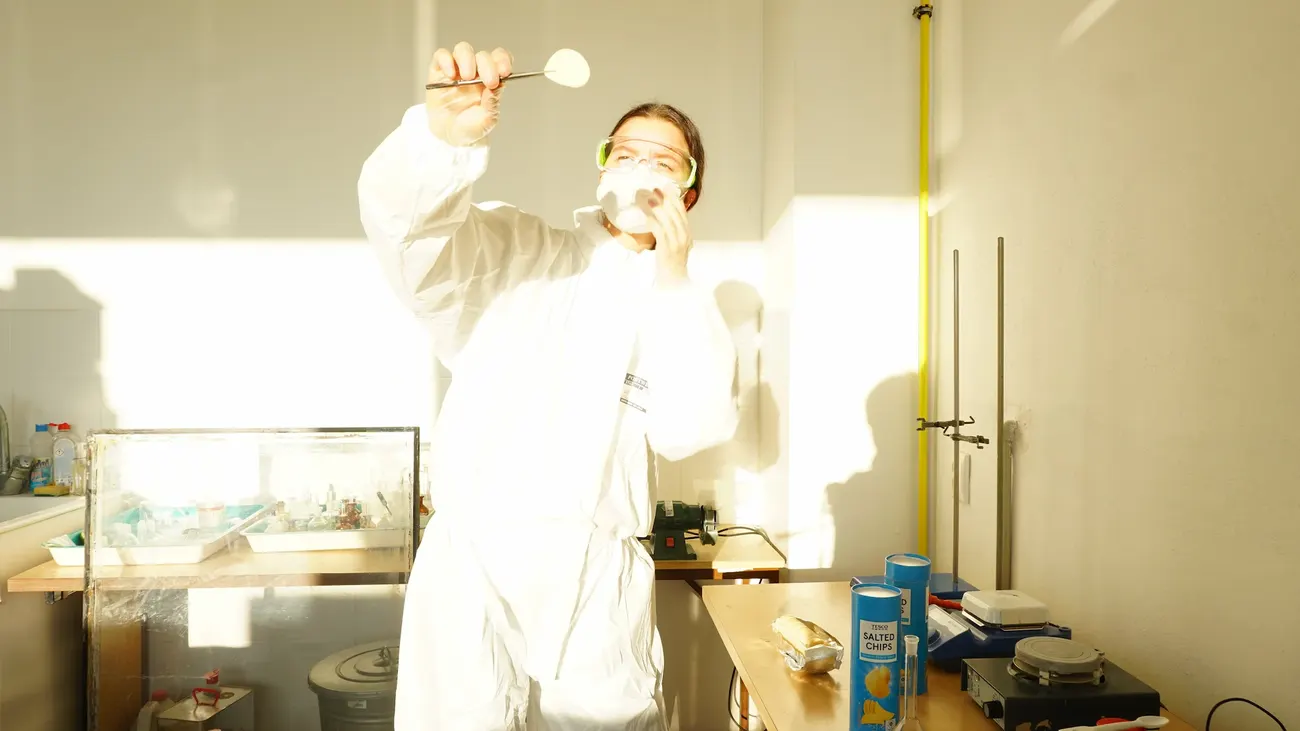
“Real Price of a Crisp” is an early project in which the artist first outlines the method that would become central to her practice: transforming a trivial object into the raw material of a pseudo-scientific investigation that simultaneously foregrounds the absurdity of the research gesture itself and raises questions about the nature of documentation.
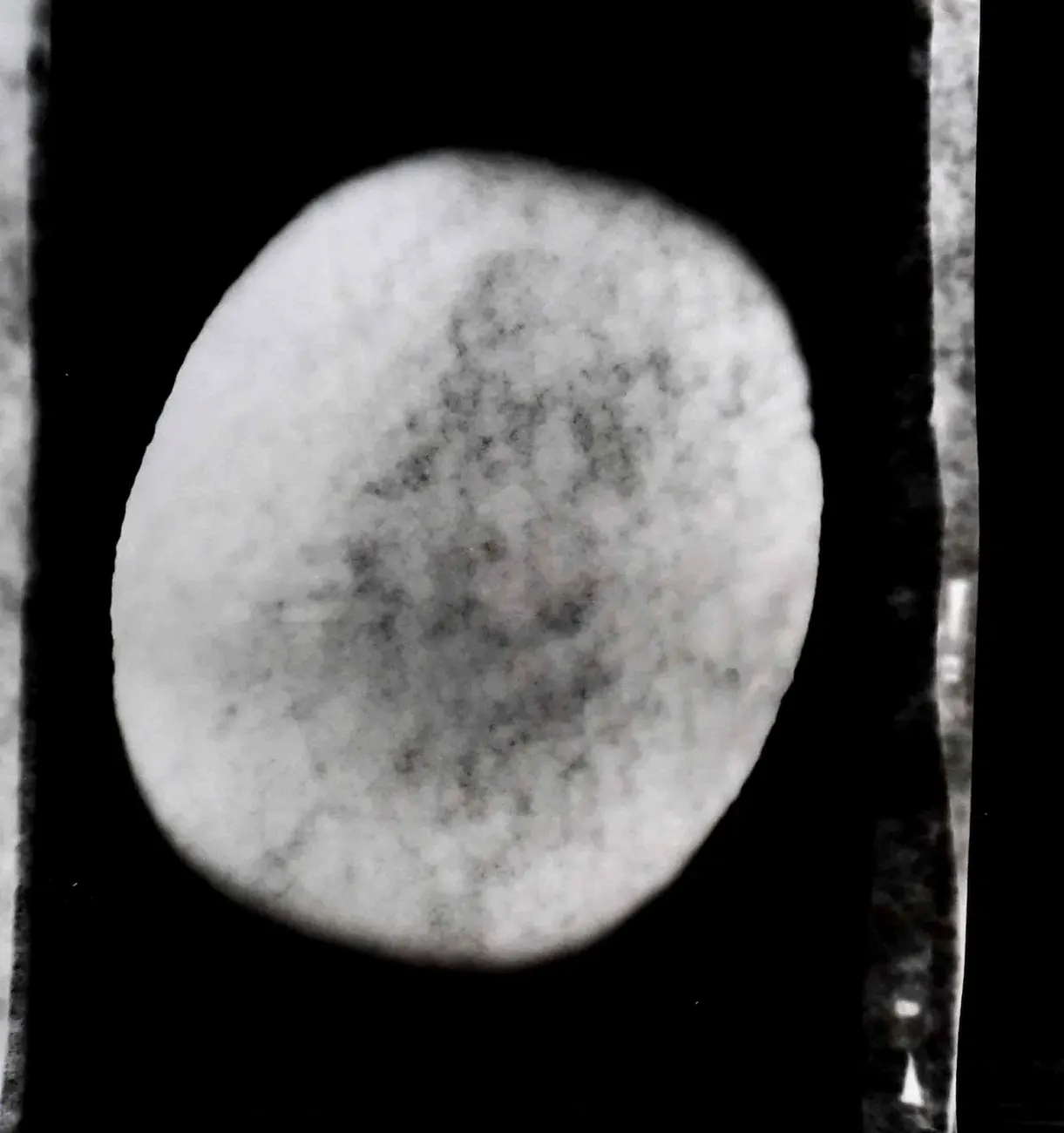
The object of inquiry is a packet of salted crisps. The artist systematically measured each crisp in the package, scanned the instruments used in the “scientific experiment”, and documented the entire process as a simulation of academic procedure. The outcome was a large-format photogram of a single crisp, visually recalling the surface of the moon, and a photograph of the grease that seeped through the paper, producing a texture that evokes imagery of deep space.
The monotony of leafing through near-identical pages of the “study”, in which minor variations in crisp size are treated as scientifically significant, generates an ironic effect: the scale of the gesture enters into absurd contrast with the triviality of the object. The work points to the mechanism by which every human impulse toward accumulation, classification and control reproduces itself regardless of what it is applied to.
 01 Office →